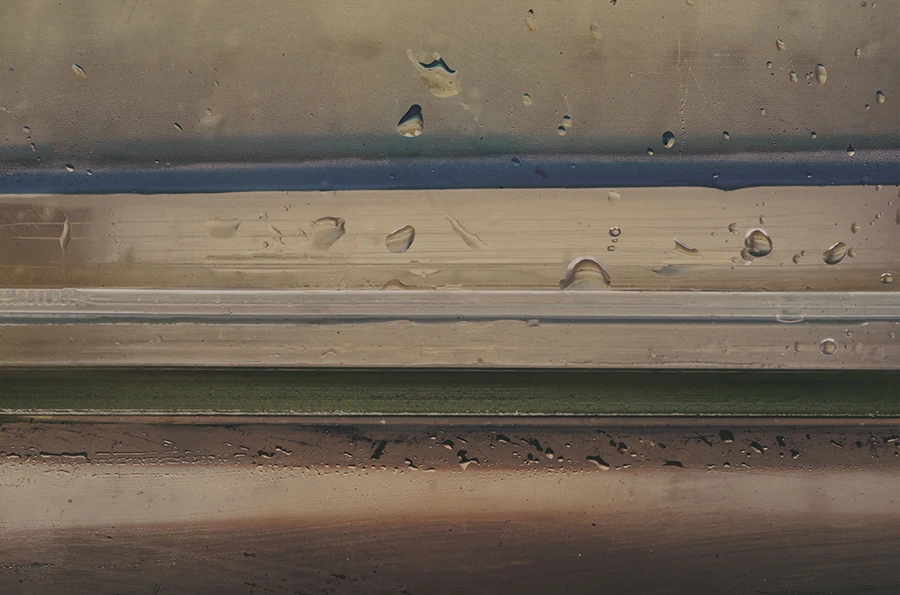
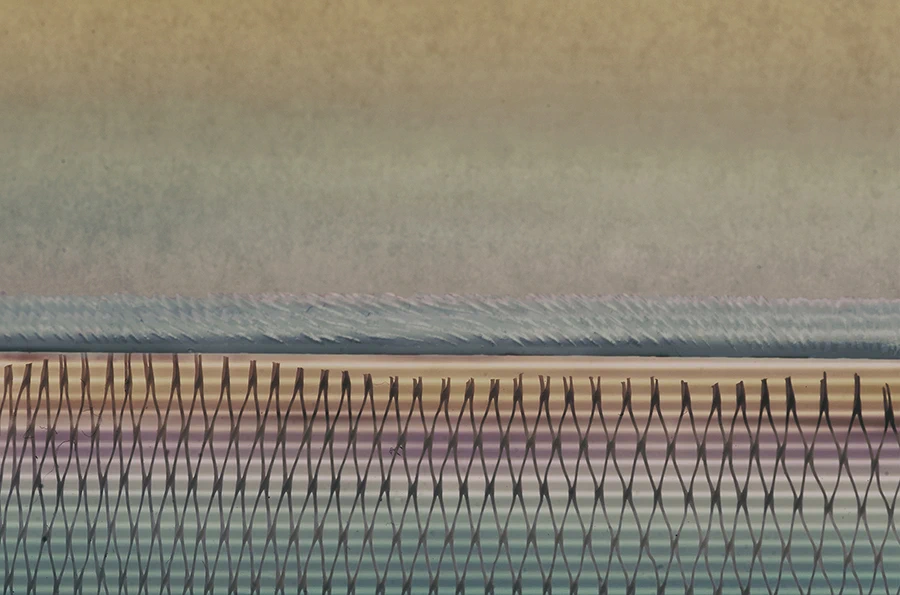
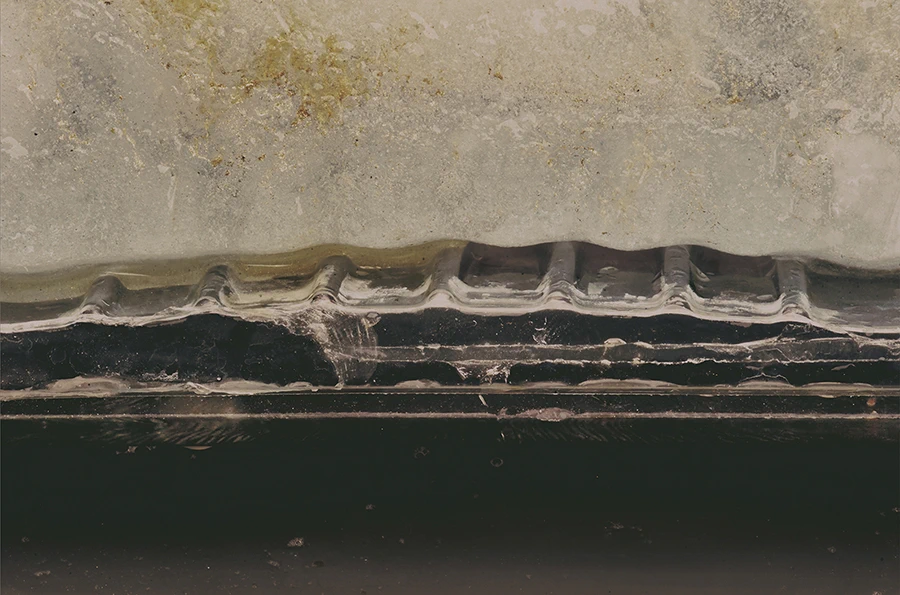
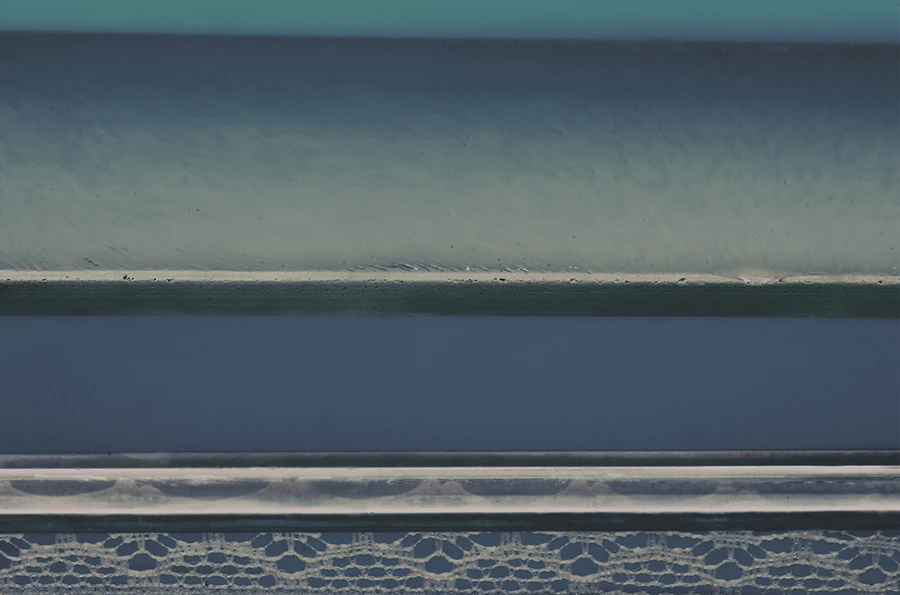
The sea is not something I remember through images. It returns through the body, through sensations that persist long after the place itself has vanished. The weight of salt in the air, the slow rhythm of breath, the horizon as a distant pressure rather than a visible line. The sea once existed as a space of openness, of surrender, but when access to it was severed, what remained was not absence alone, but a wound—quiet, enduring, and sensitive to touch.
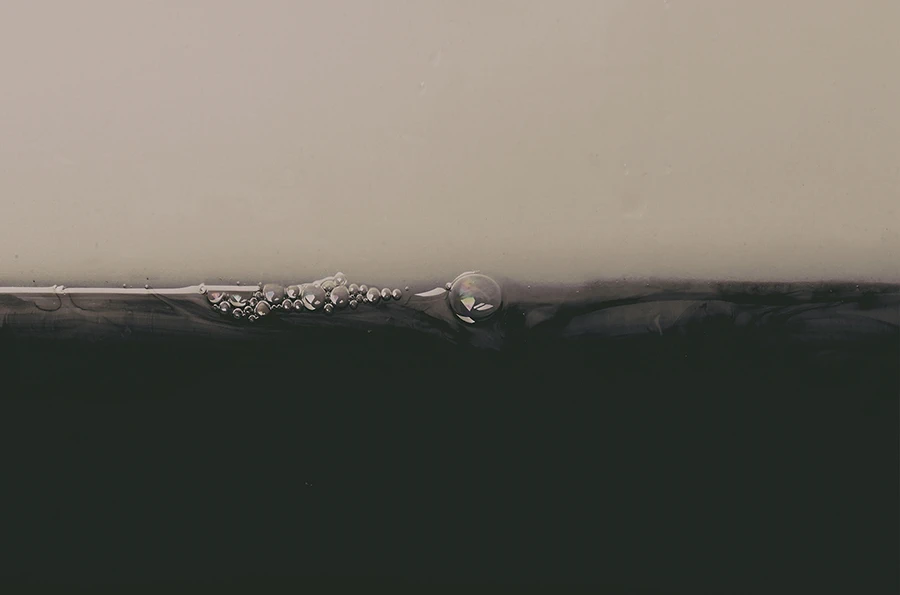
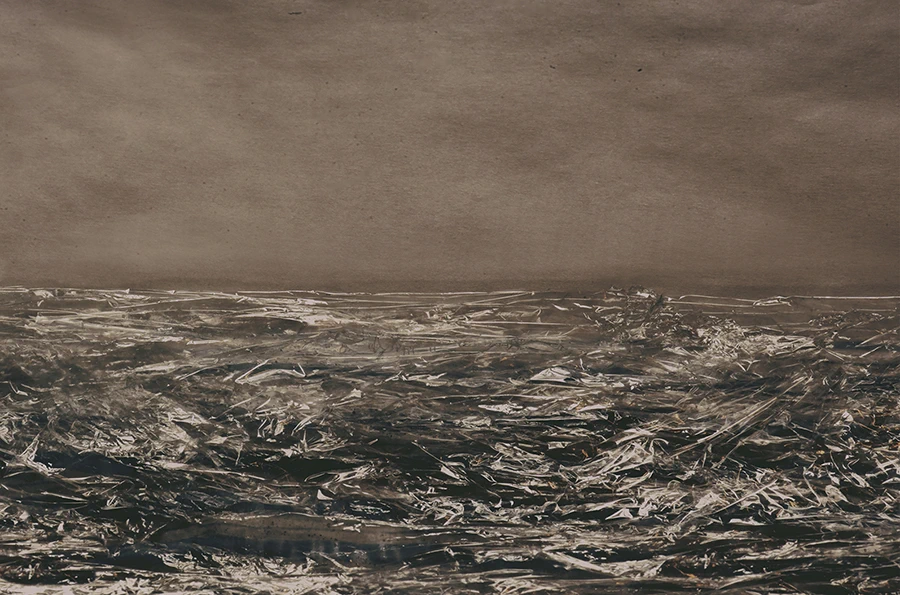
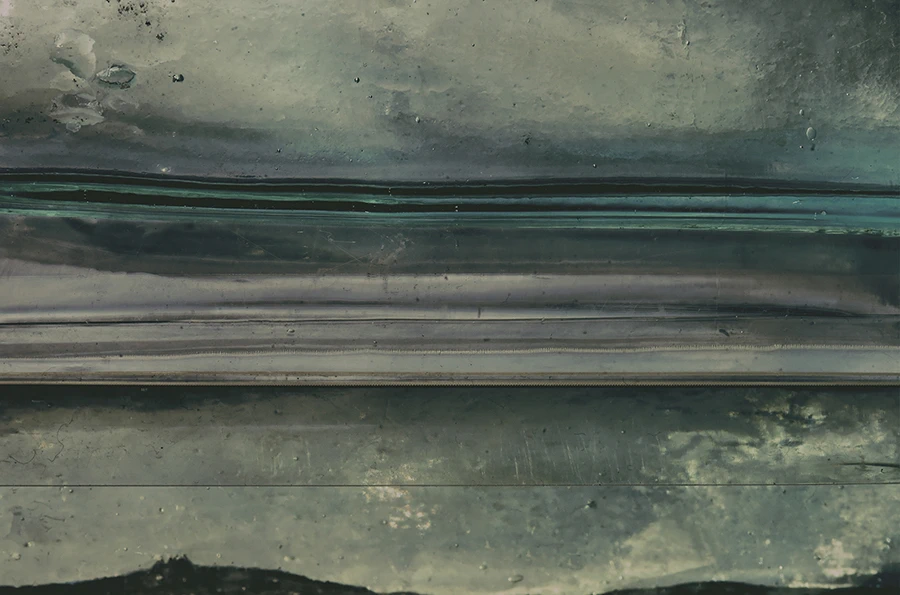
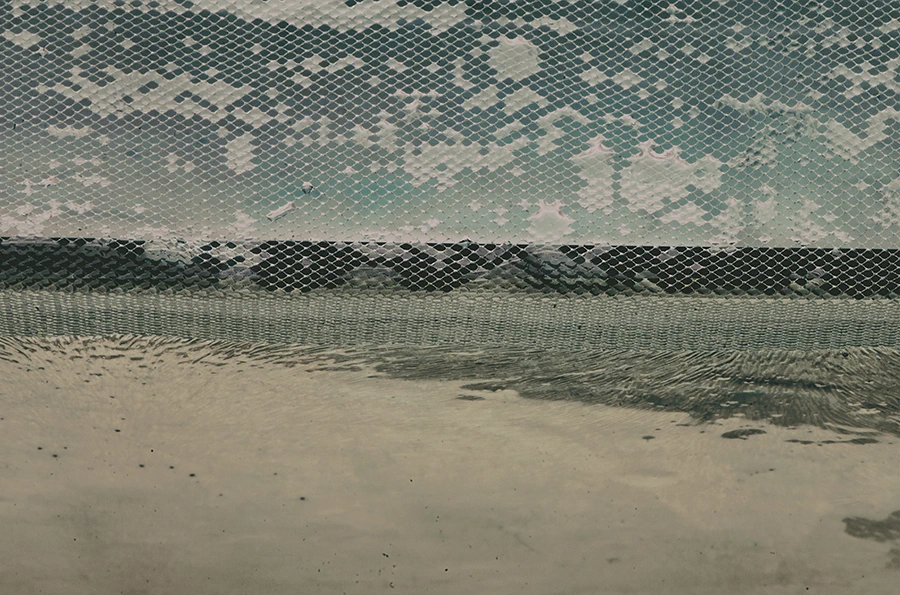
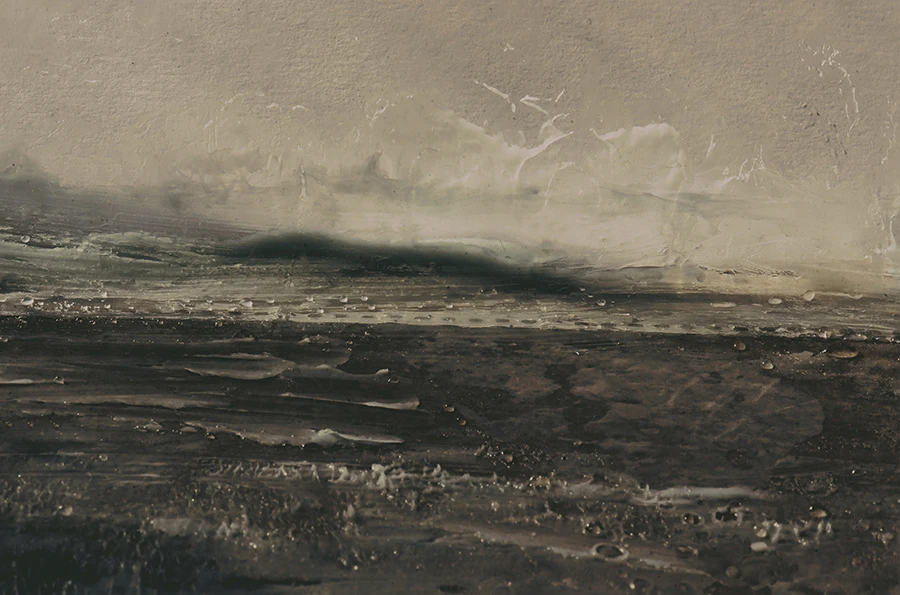
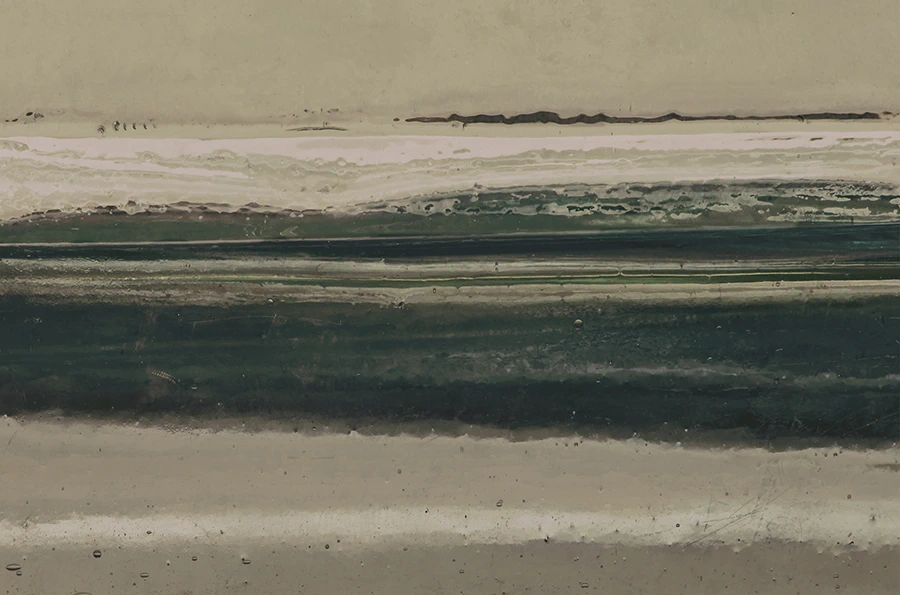
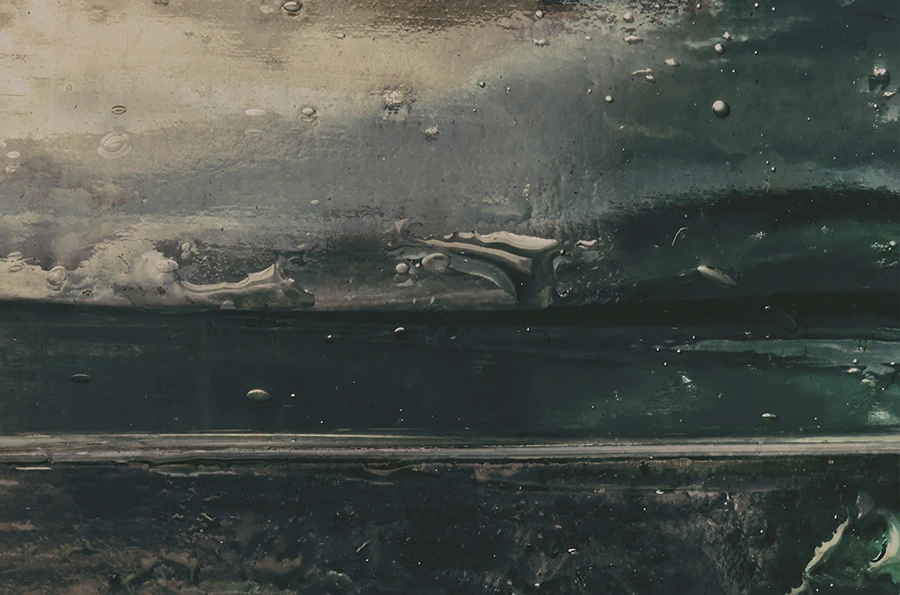
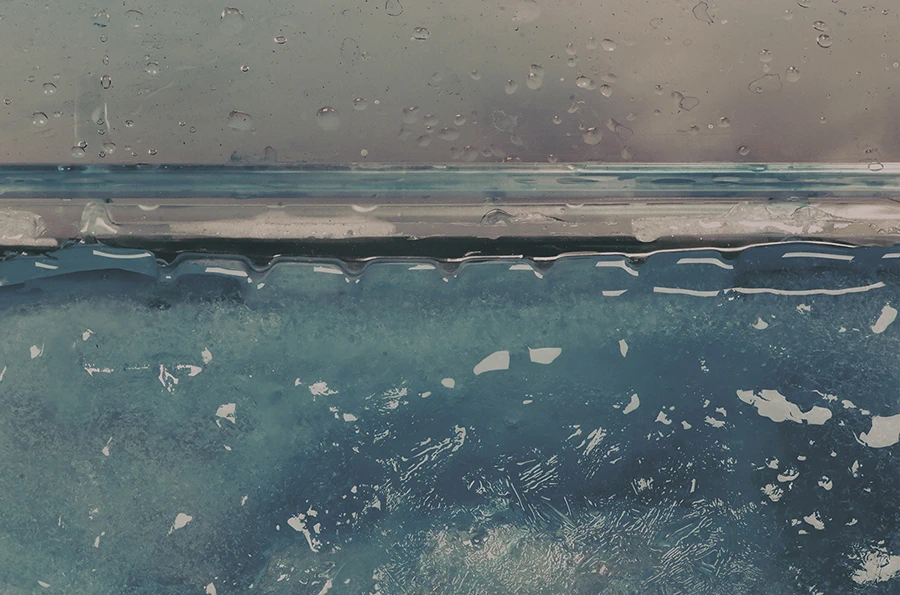
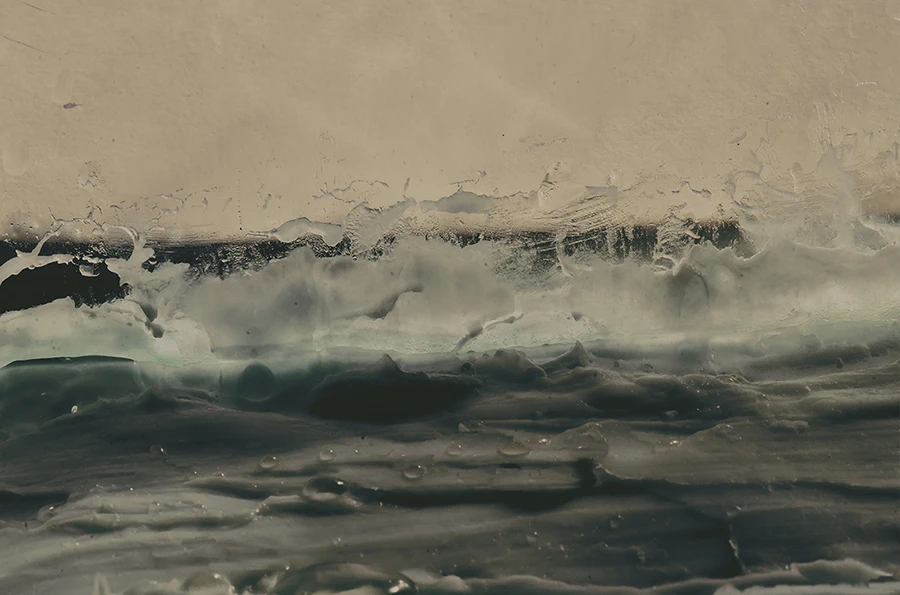
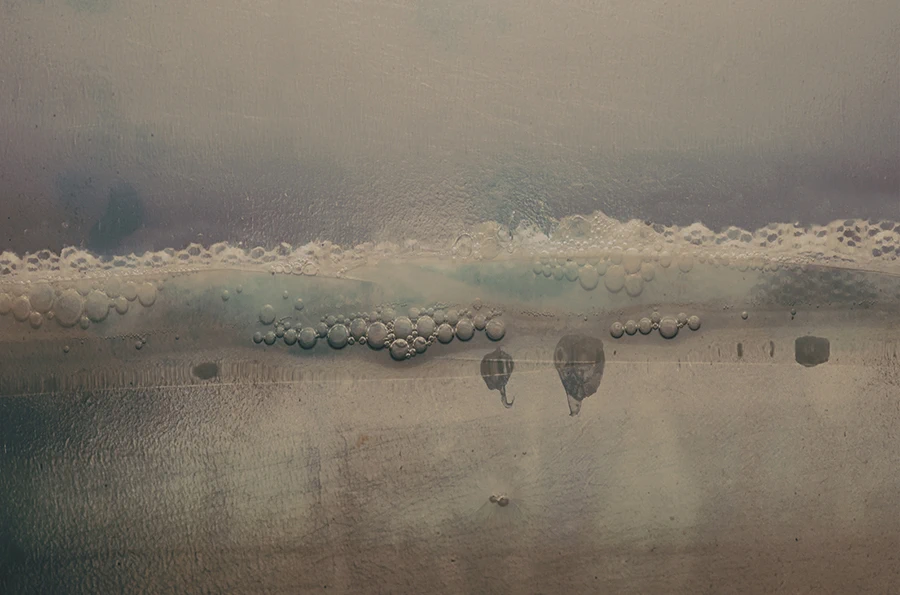
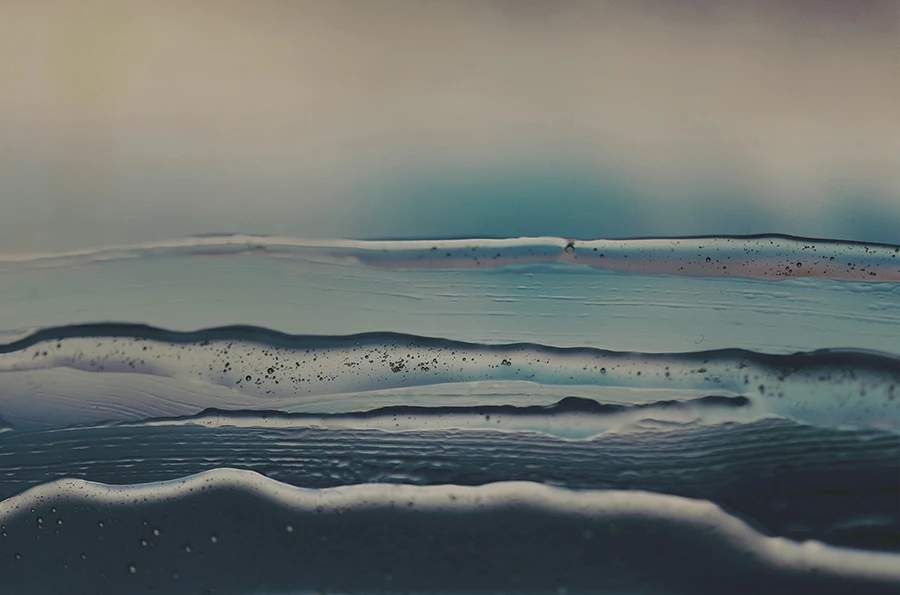
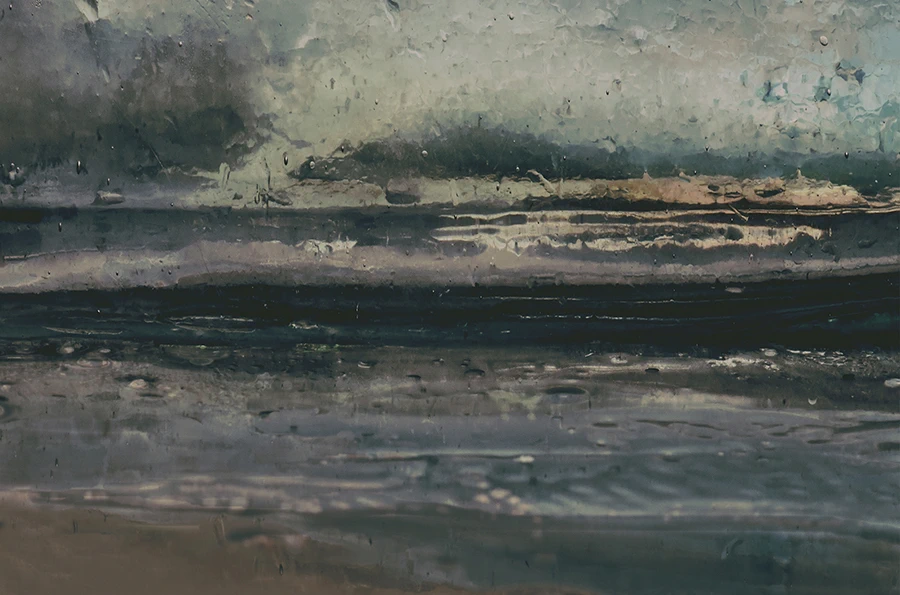
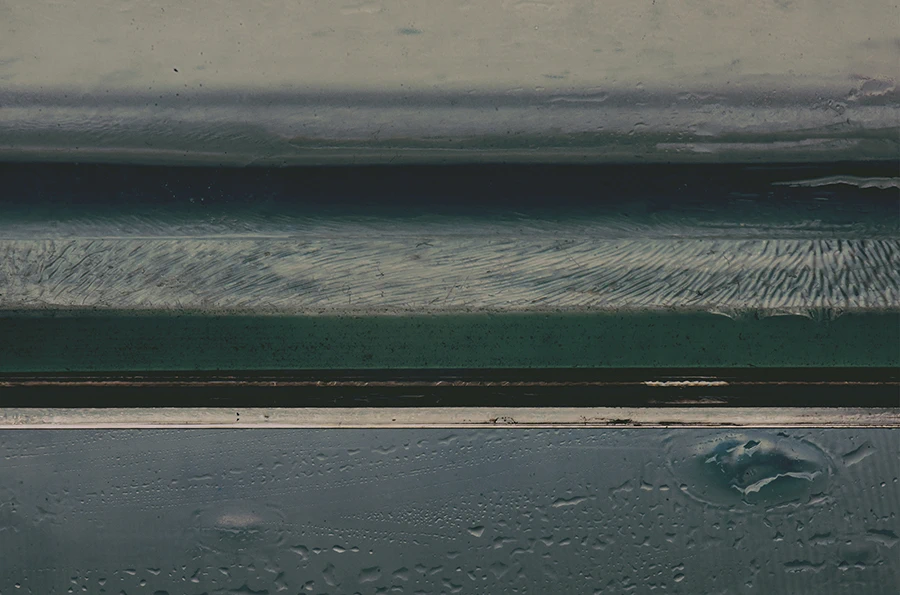
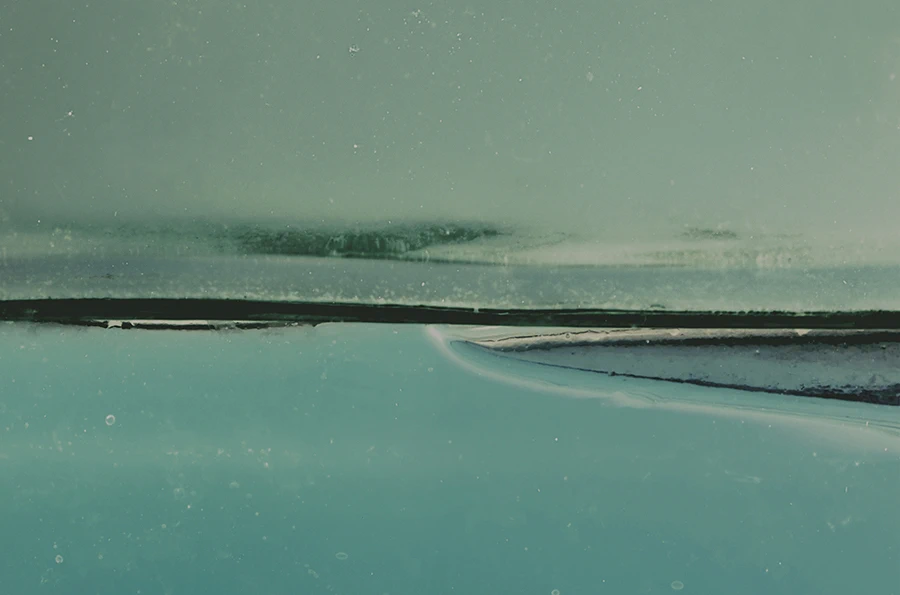
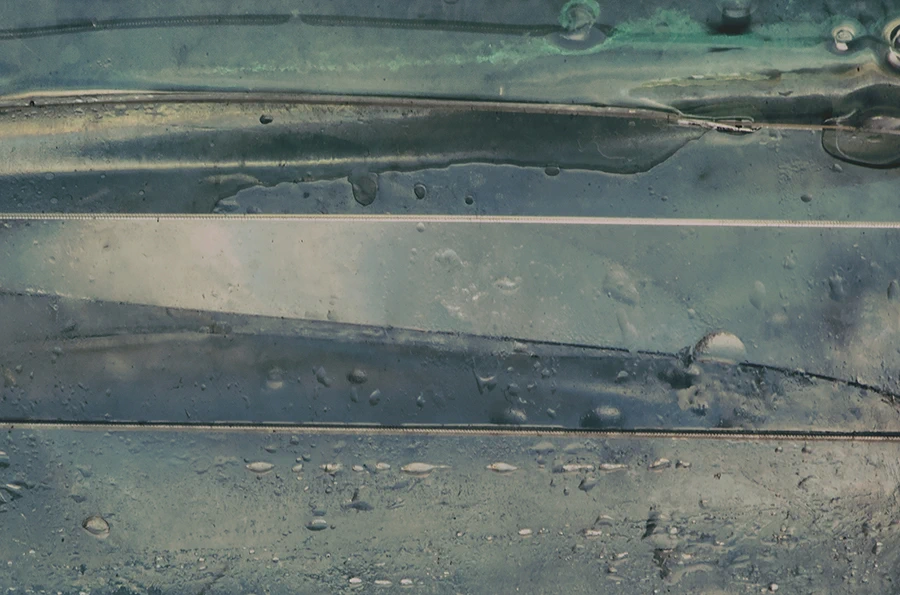
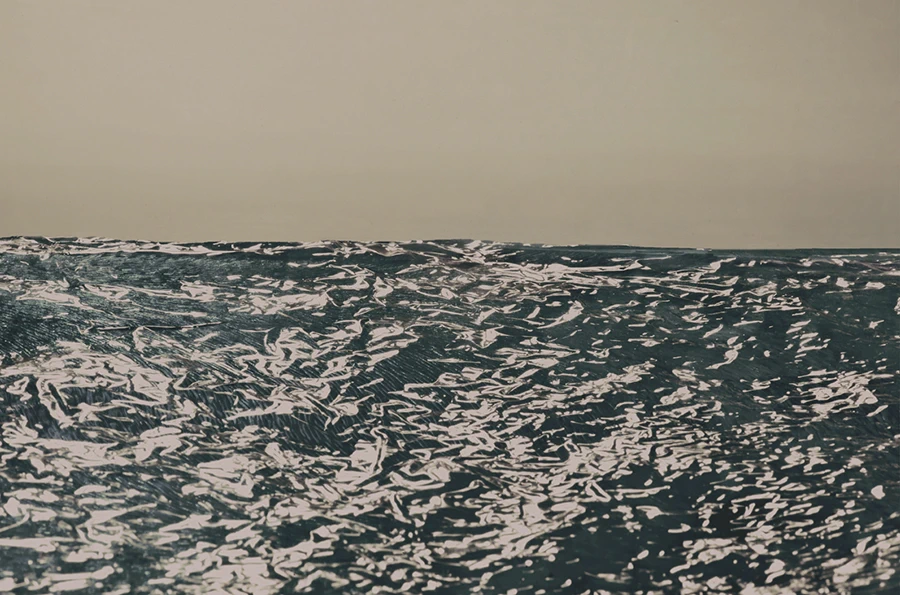
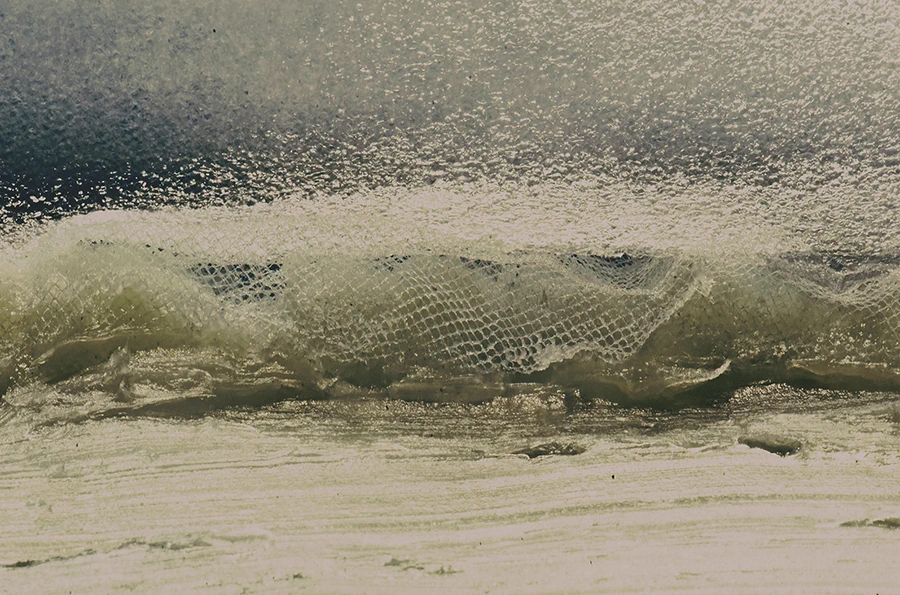
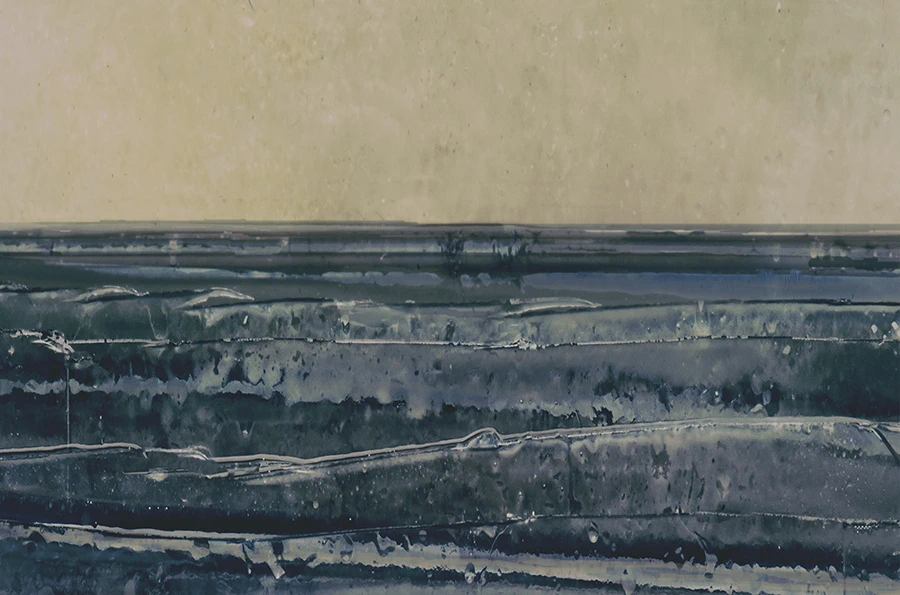
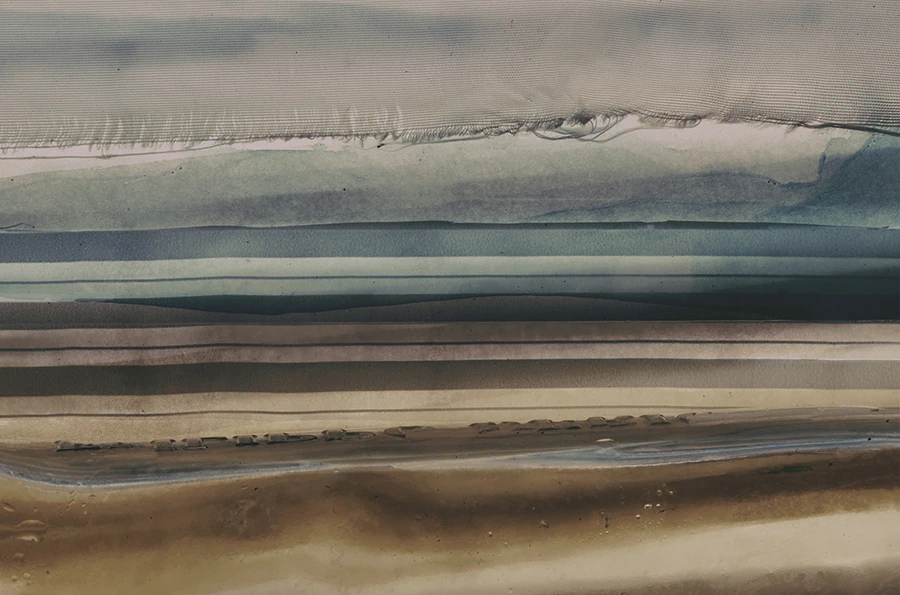
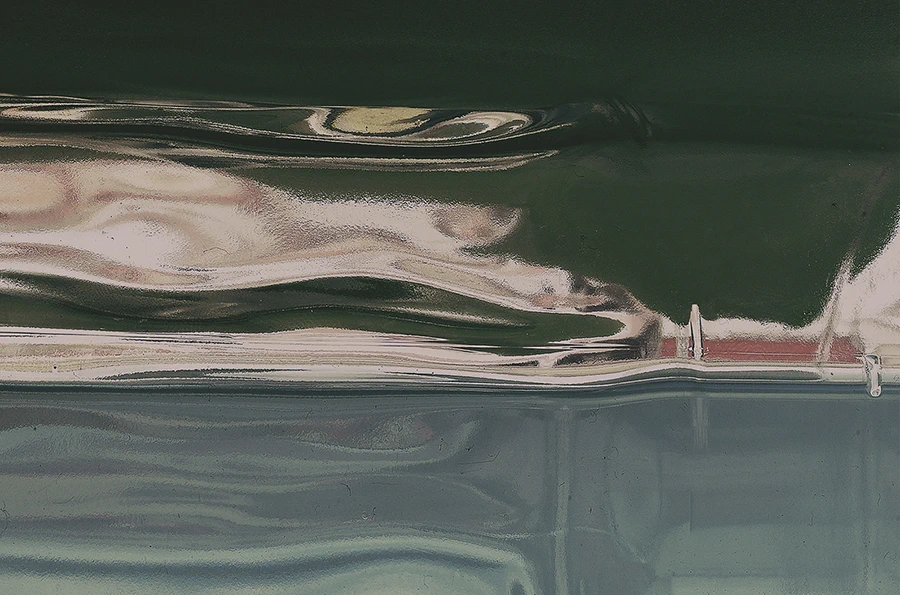
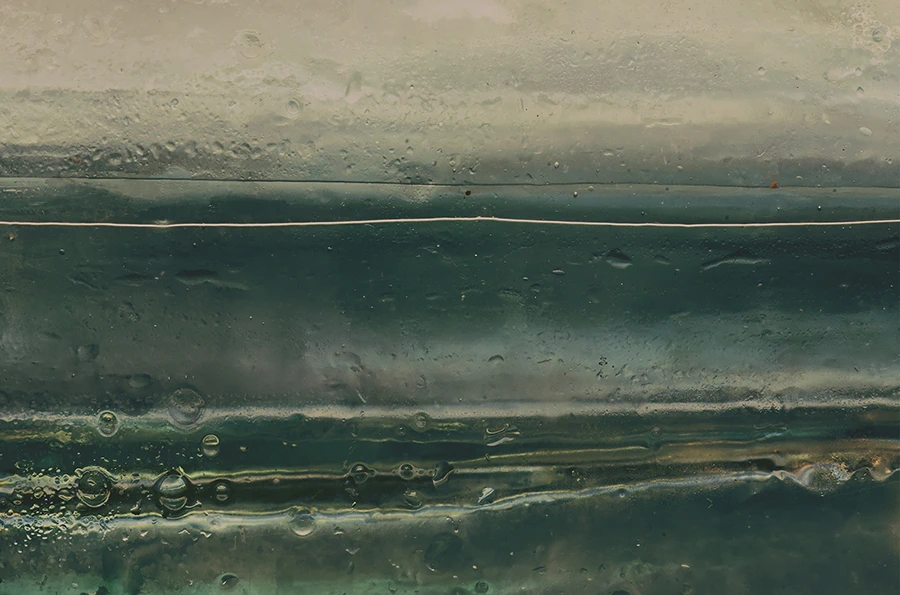
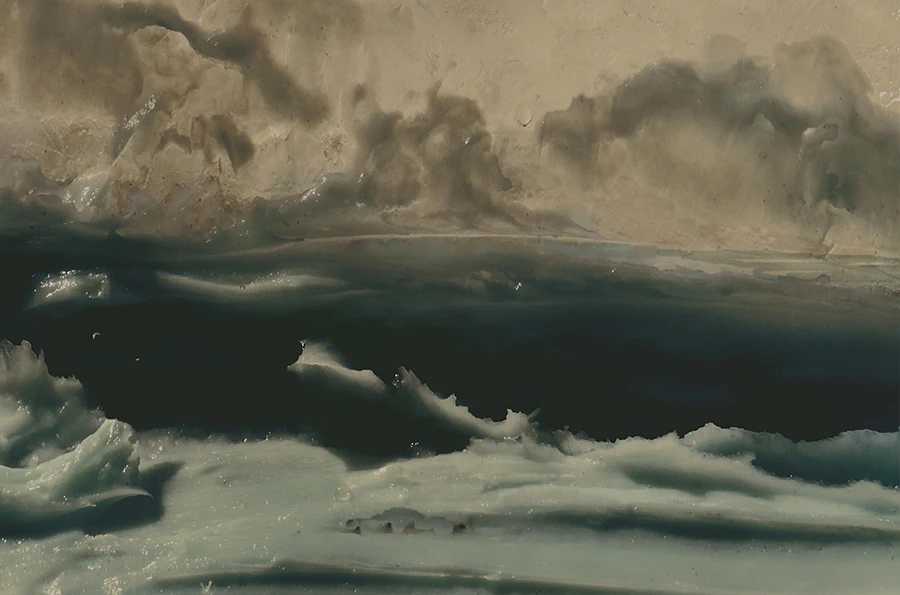
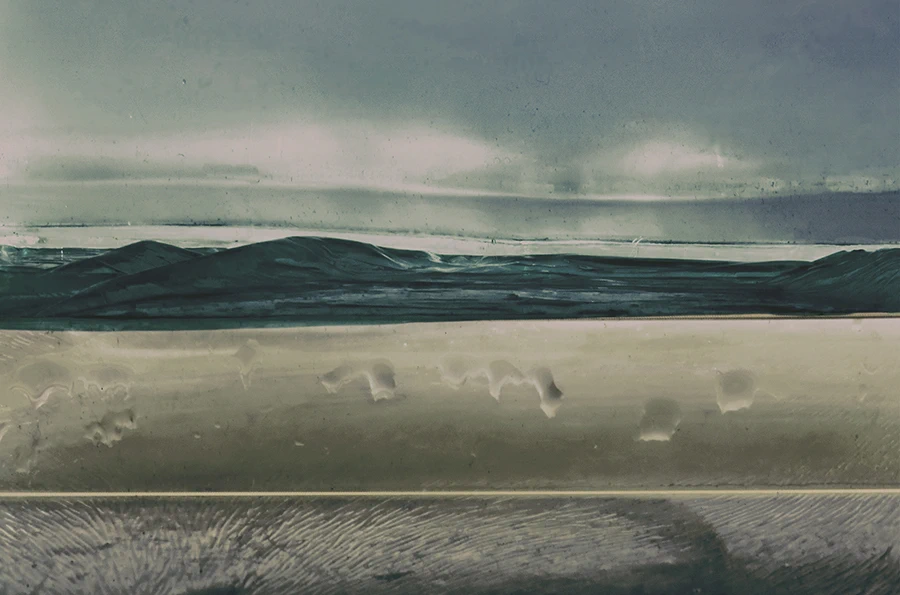
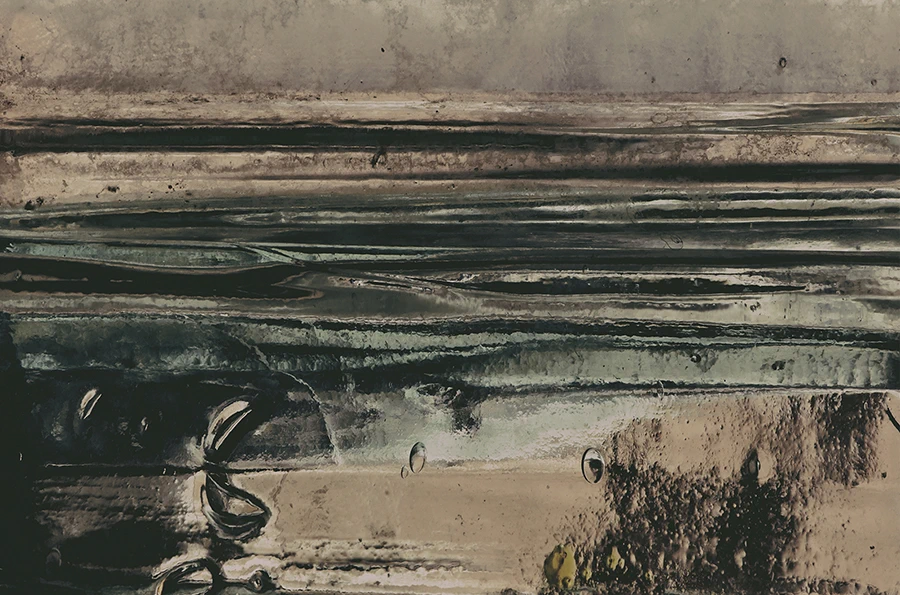
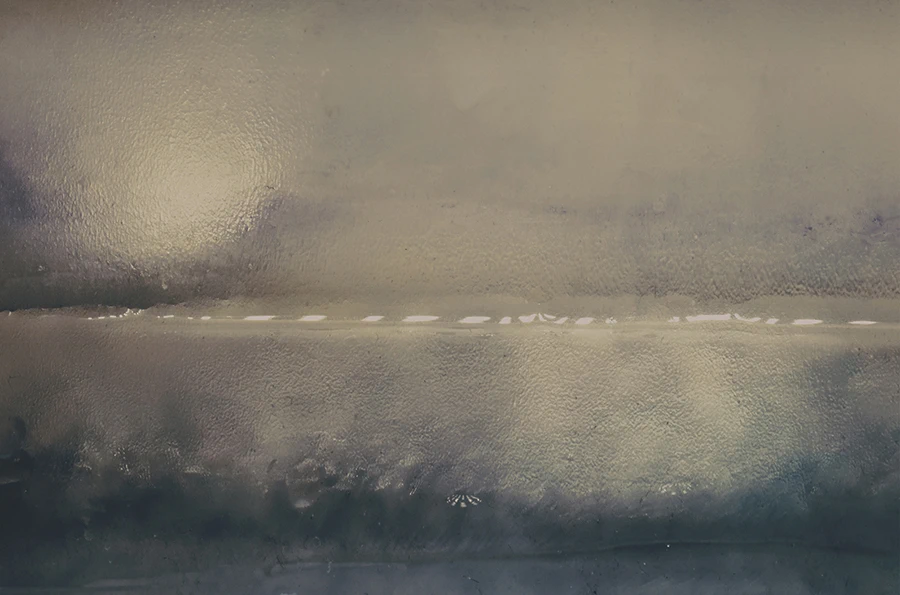
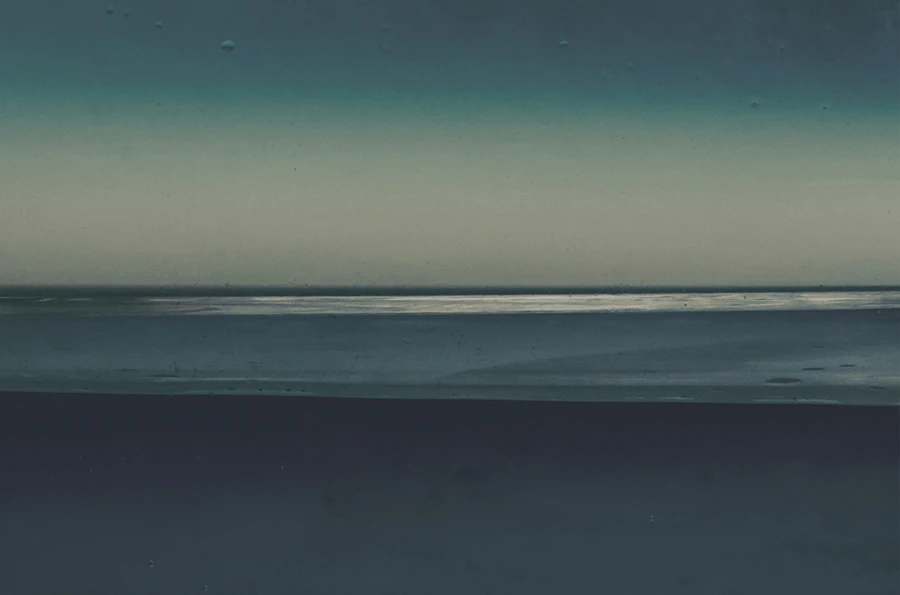
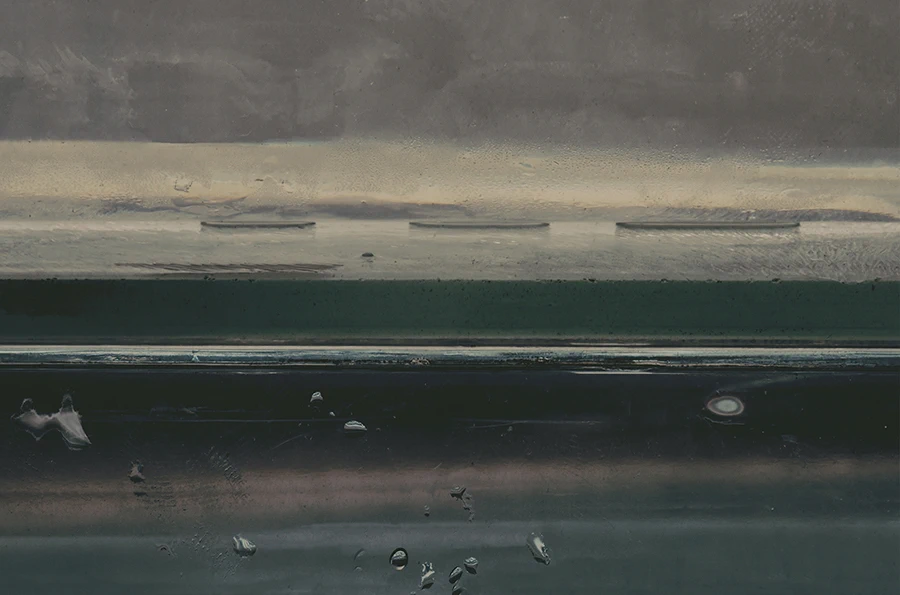
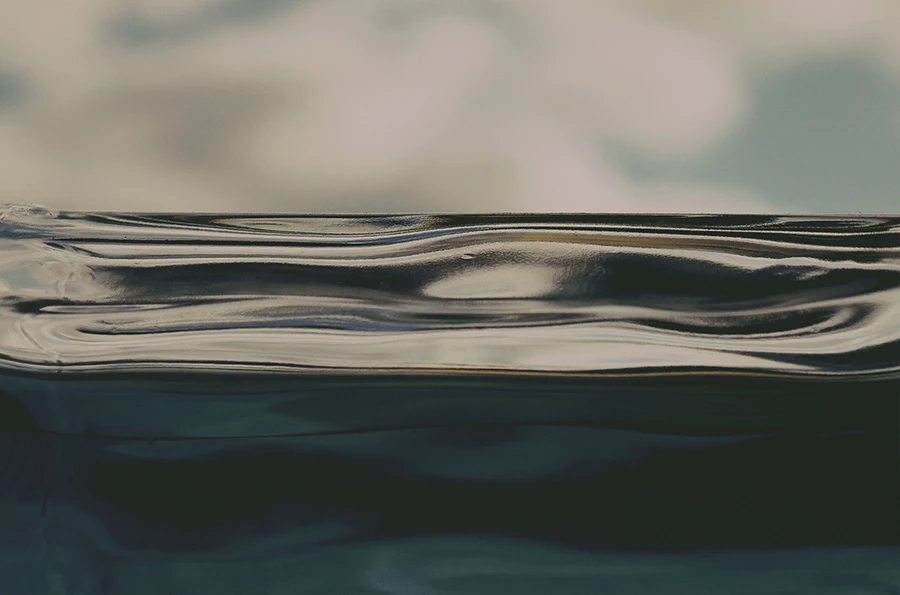
During isolation, the sea became unreachable, yet its trace intensified. Longing did not announce itself; it accumulated. I began to notice echoes of the sea in unexpected places: unstable surfaces, layered textures, shifting planes, faint horizontals that recalled distance and depth. These images do not depict the sea, but they carry its residue. They are attempts to stay close to a sensation that could no longer be fully recalled, only felt.
The sea has always held a contradiction for me—calm and violent, inviting and indifferent. It offers freedom without assurance and beauty without consolation. In these photographs, the sea is present only through its absence, pressing against memory like salt in an open wound. What surfaces is not a clear recollection, but a bodily response: tension, pull, a lingering ache.
This body of work traces the persistence of that ache. It moves through fragments and reflections, through surfaces that refuse stability. Memory here is not a fixed archive, but a living site of friction, where what has been lost continues to disturb what remains. *Salt in Memory’s Wound* is not about remembering the sea as it was, but about inhabiting the space left behind—where longing settles, and where the body continues to remember what the mind can no longer hold.
ShareSalt in Memory’s Wound by Ebrahim Heidari
Salt in Memory’s Wound by Ebrahim Heidari
Salt in Memory’s Wound by Ebrahim Heidari
Salt in Memory’s Wound by Ebrahim Heidari
Salt in Memory’s Wound by Ebrahim Heidari
Salt in Memory’s Wound by Ebrahim Heidari
Salt in Memory’s Wound by Ebrahim Heidari
Salt in Memory’s Wound by Ebrahim Heidari
Salt in Memory’s Wound by Ebrahim Heidari
Salt in Memory’s Wound by Ebrahim Heidari
Salt in Memory’s Wound by Ebrahim Heidari
Salt in Memory’s Wound by Ebrahim Heidari
Salt in Memory’s Wound by Ebrahim Heidari
Salt in Memory’s Wound by Ebrahim Heidari
Salt in Memory’s Wound by Ebrahim Heidari
Salt in Memory’s Wound by Ebrahim Heidari
Salt in Memory’s Wound by Ebrahim Heidari
Salt in Memory’s Wound by Ebrahim Heidari
Salt in Memory’s Wound by Ebrahim Heidari
Salt in Memory’s Wound by Ebrahim Heidari
Salt in Memory’s Wound by Ebrahim Heidari
Salt in Memory’s Wound by Ebrahim Heidari
Salt in Memory’s Wound by Ebrahim Heidari
Salt in Memory’s Wound by Ebrahim Heidari
Salt in Memory’s Wound by Ebrahim Heidari
Salt in Memory’s Wound by Ebrahim Heidari
Salt in Memory’s Wound by Ebrahim Heidari
Salt in Memory’s Wound by Ebrahim Heidari
Salt in Memory’s Wound by Ebrahim Heidari
Salt in Memory’s Wound by Ebrahim Heidari
Salt in Memory’s Wound by Ebrahim Heidari