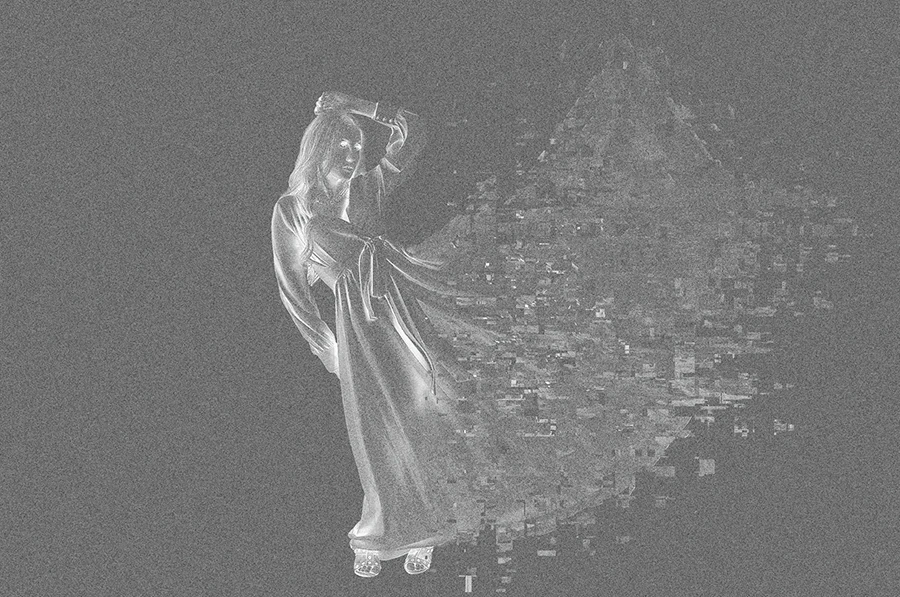
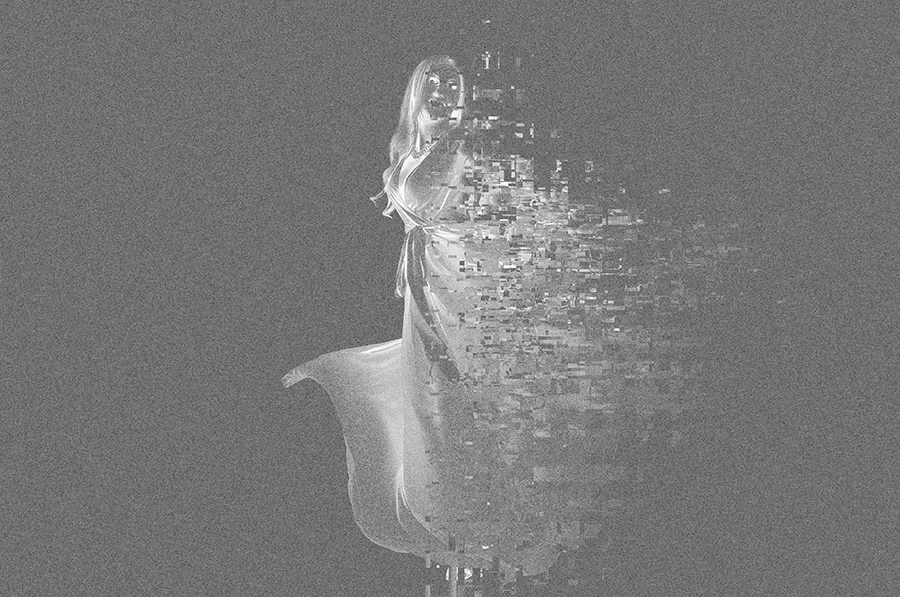
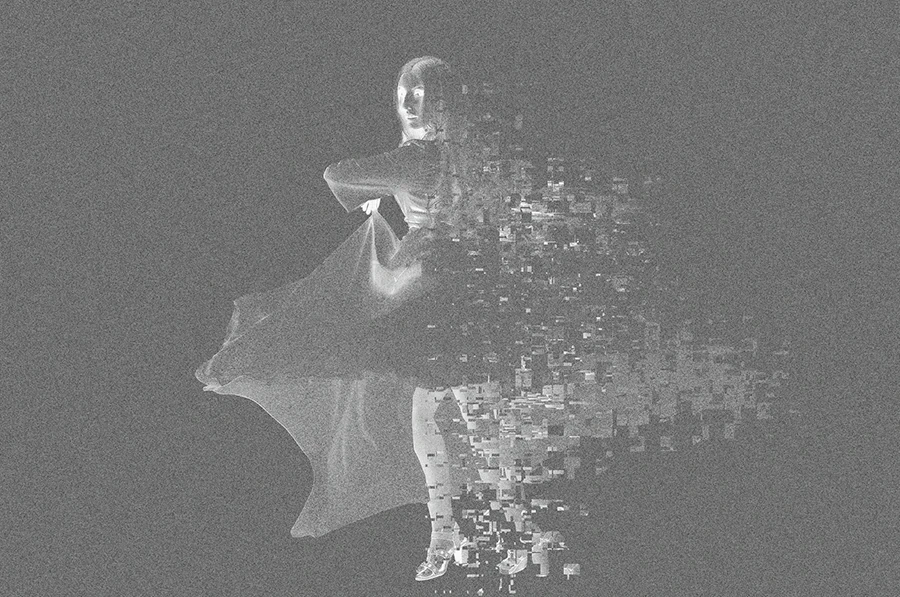
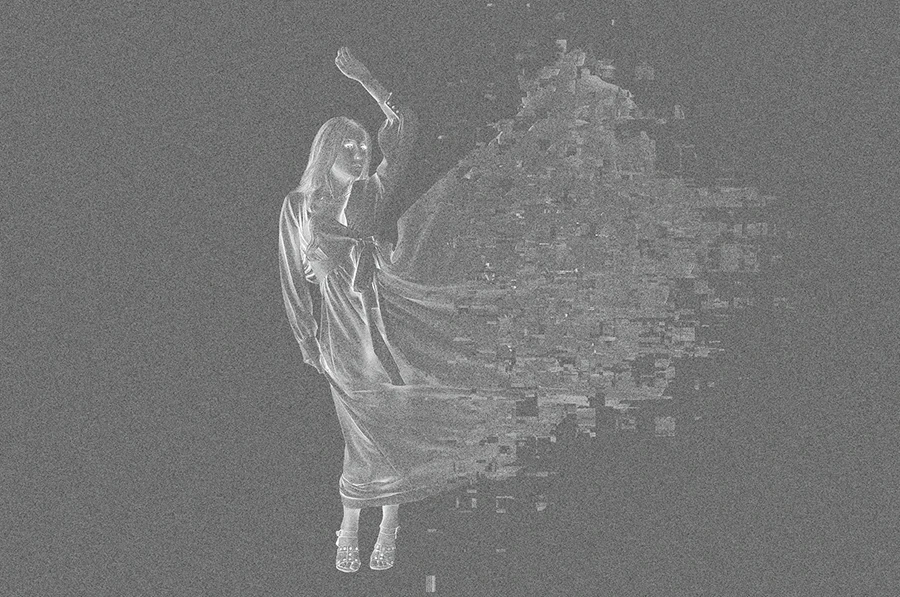
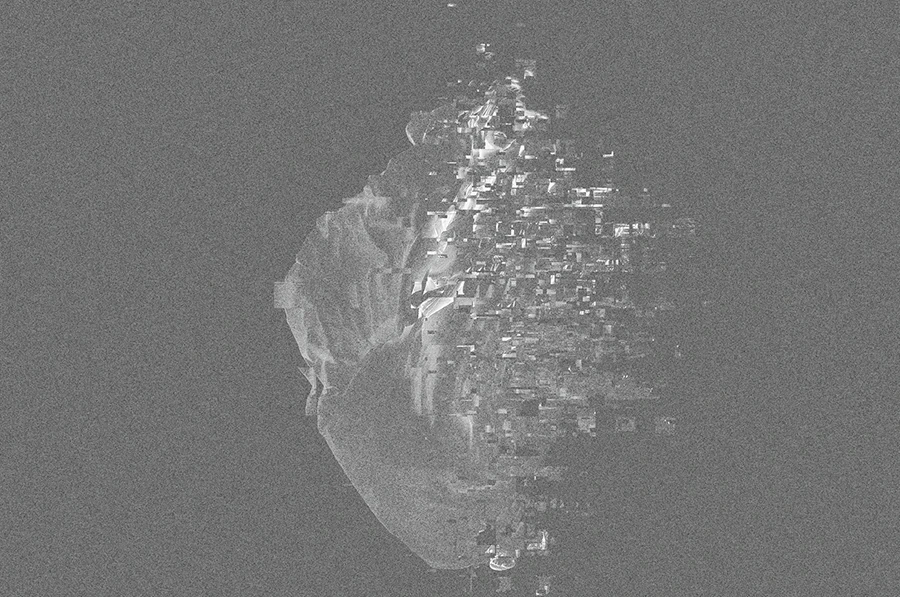
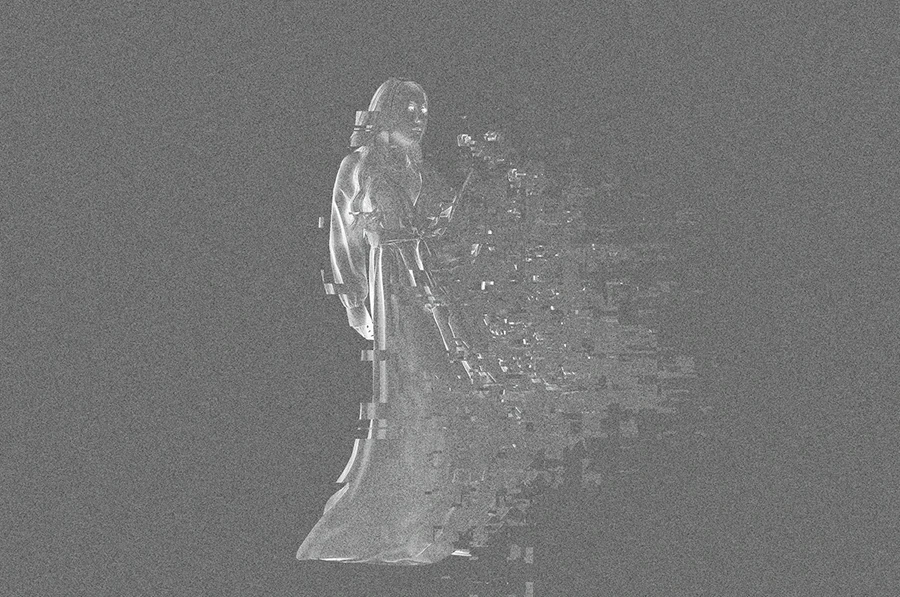
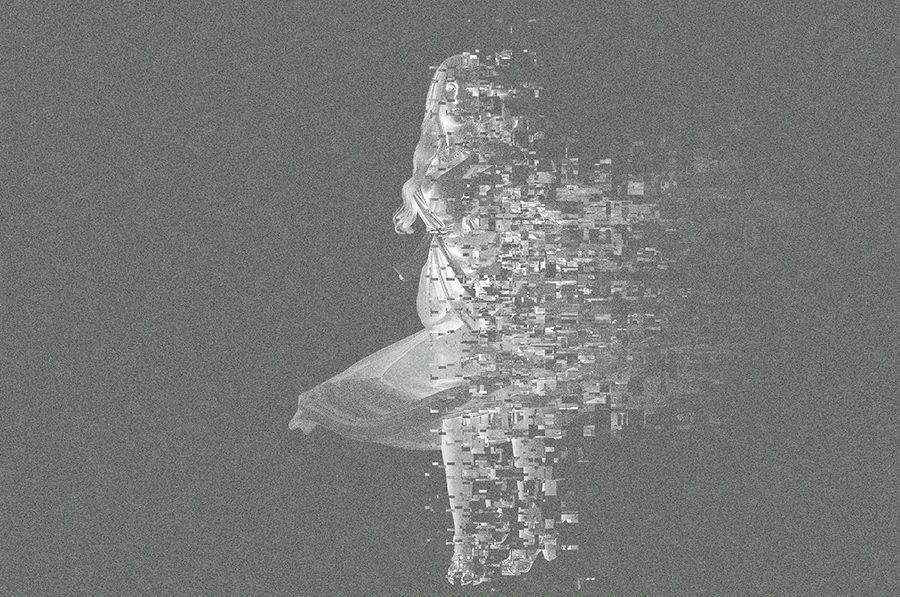
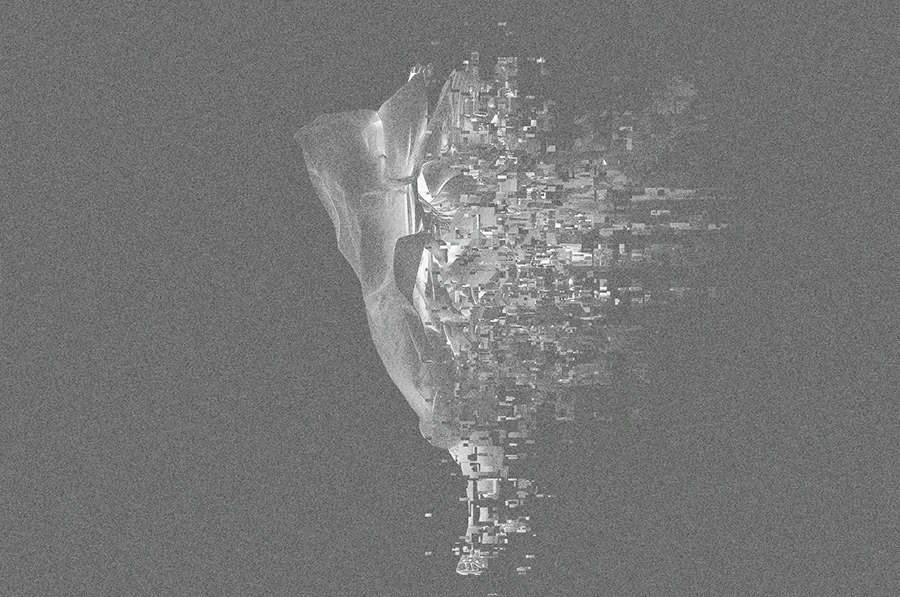
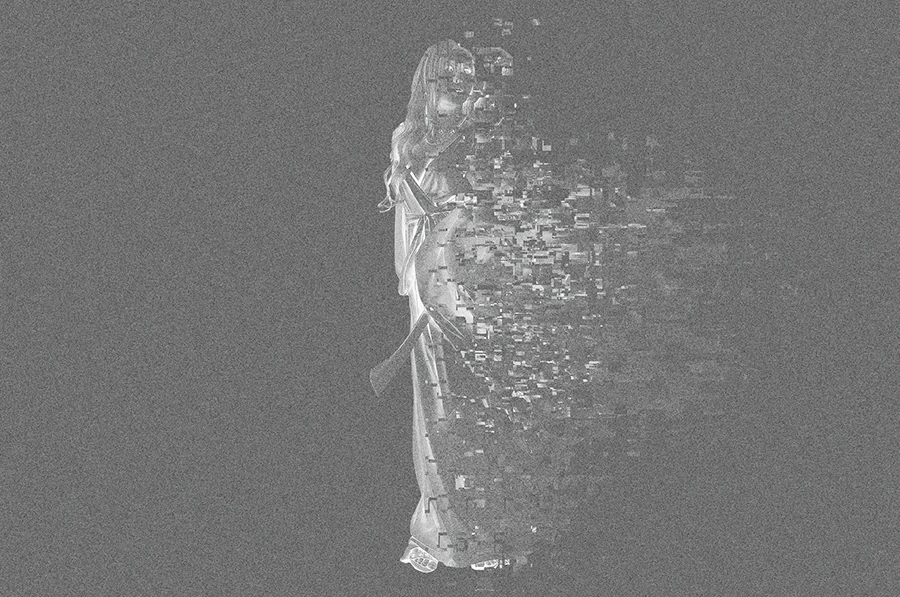
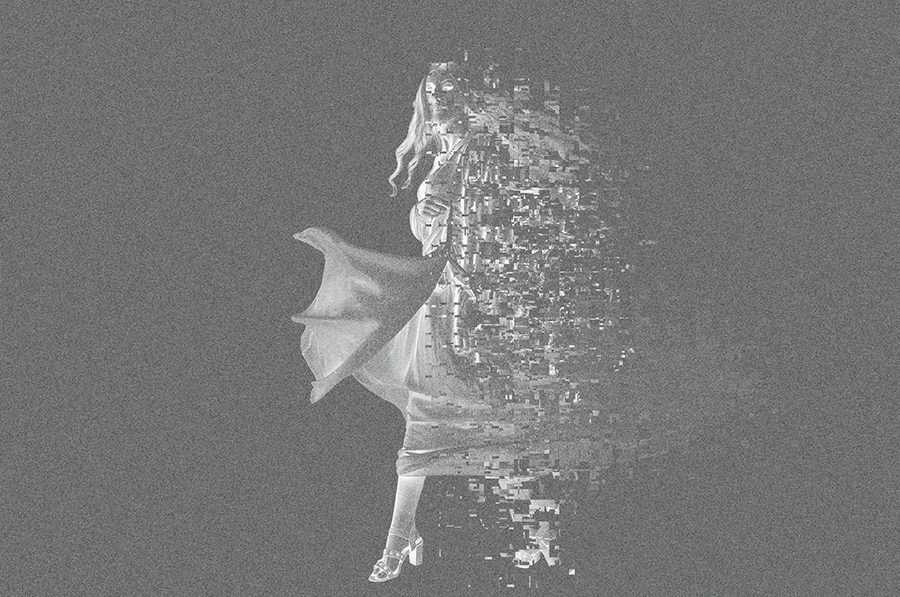
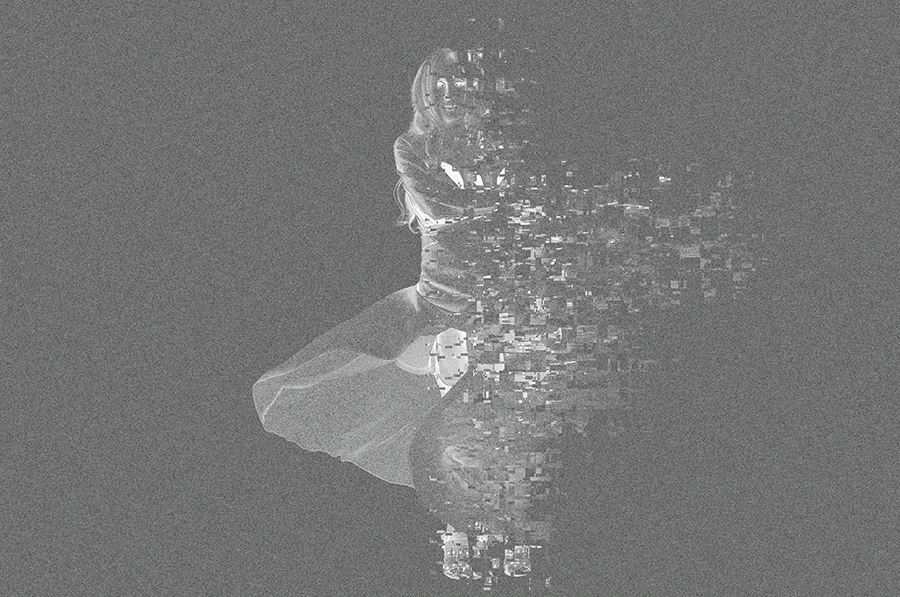
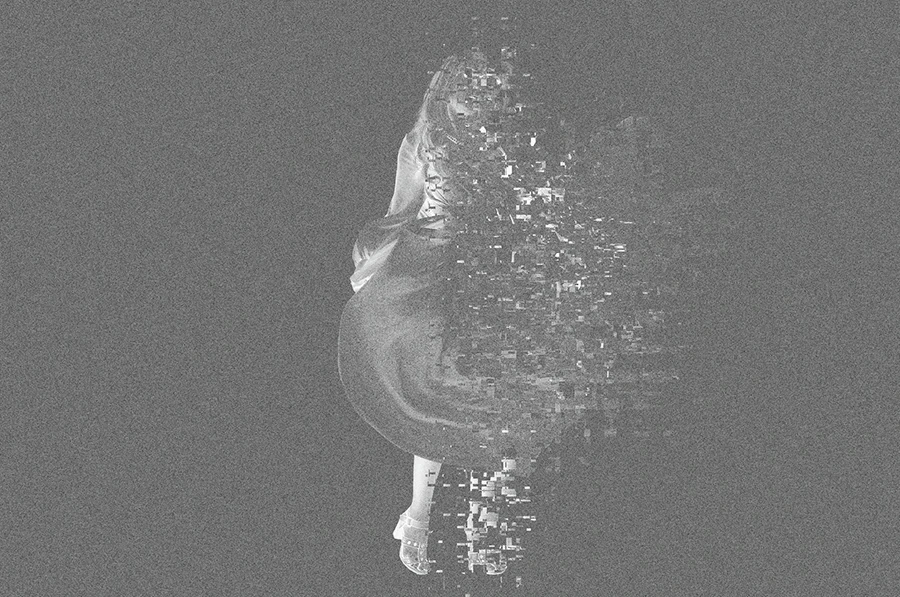
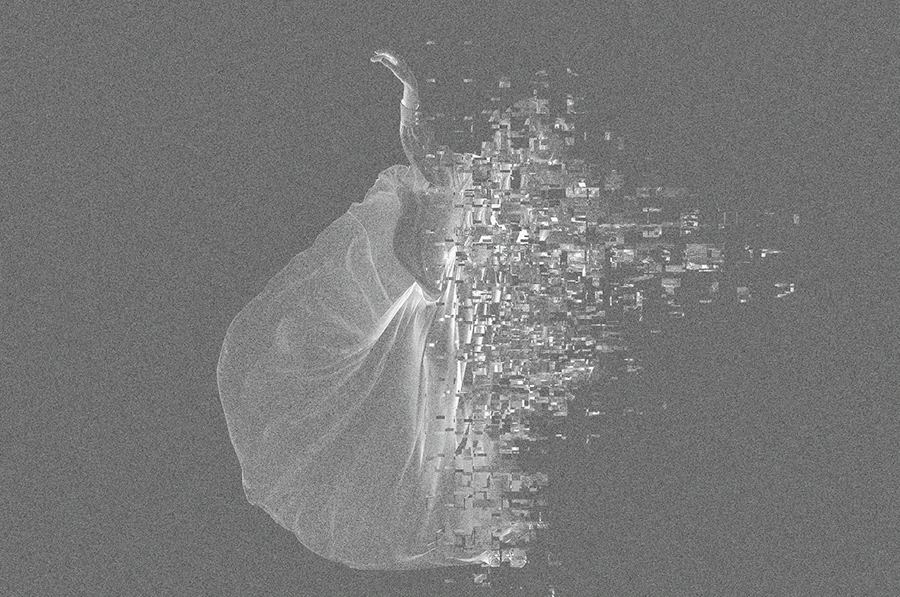
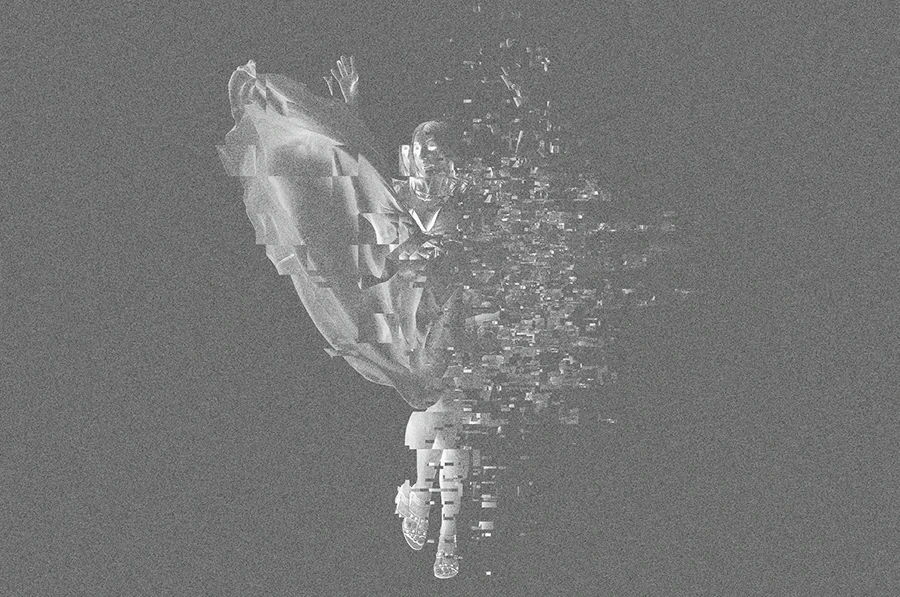
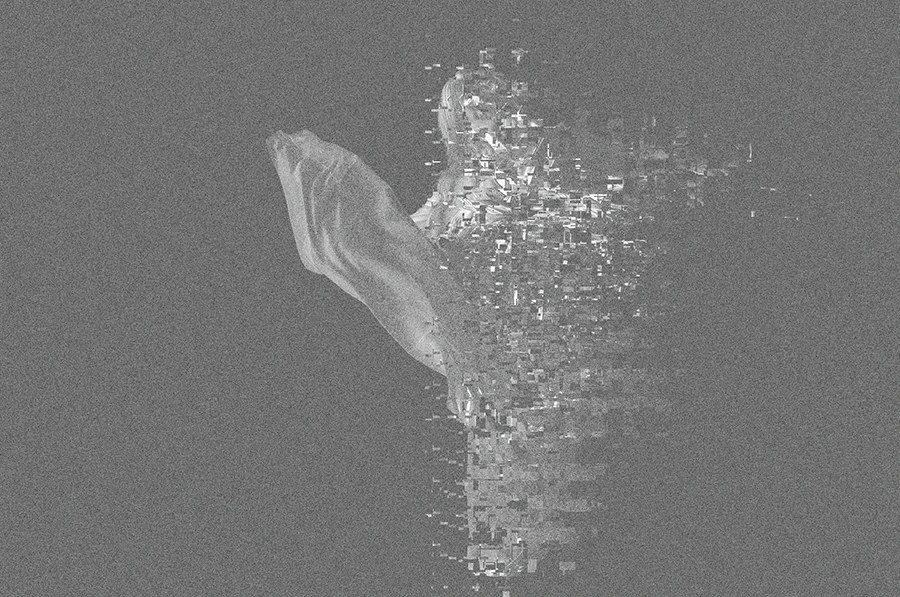
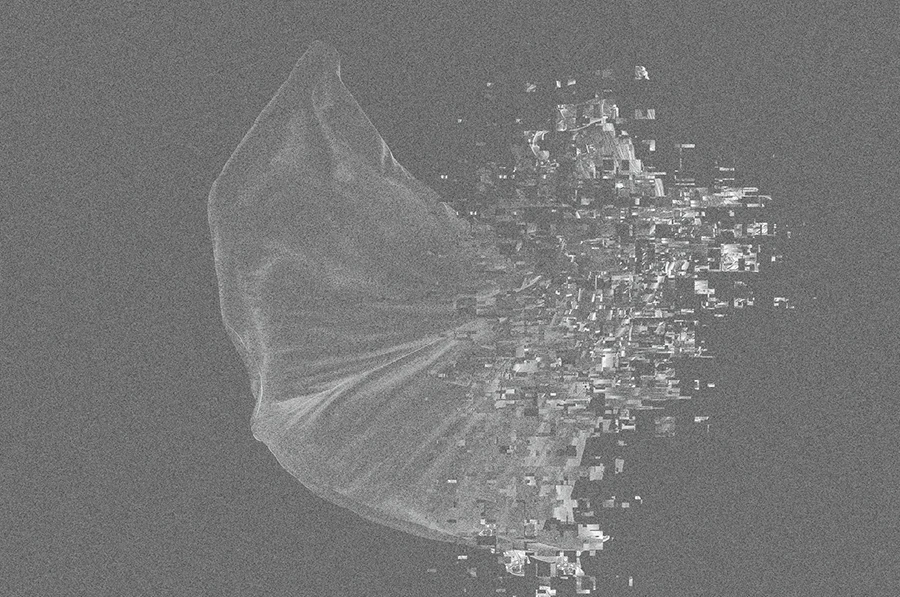
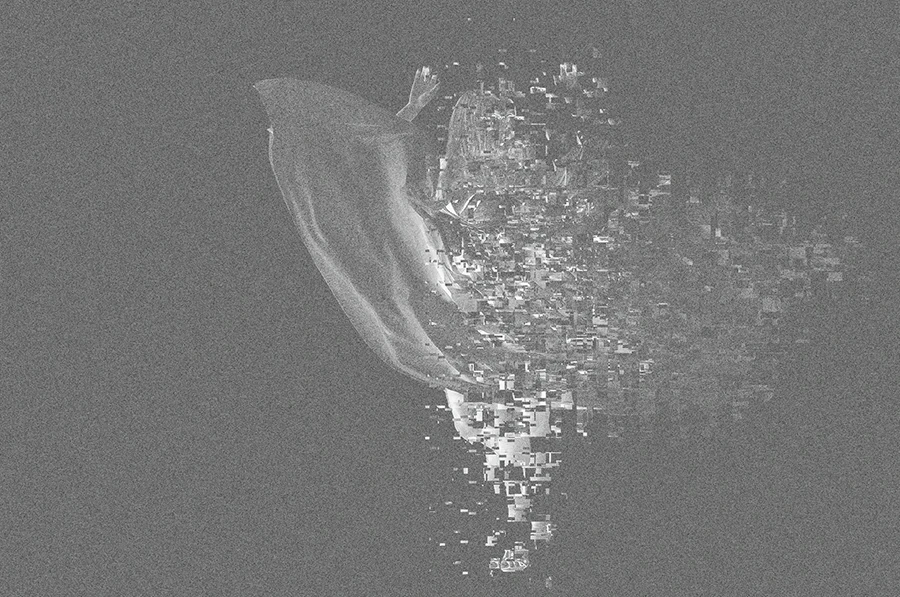
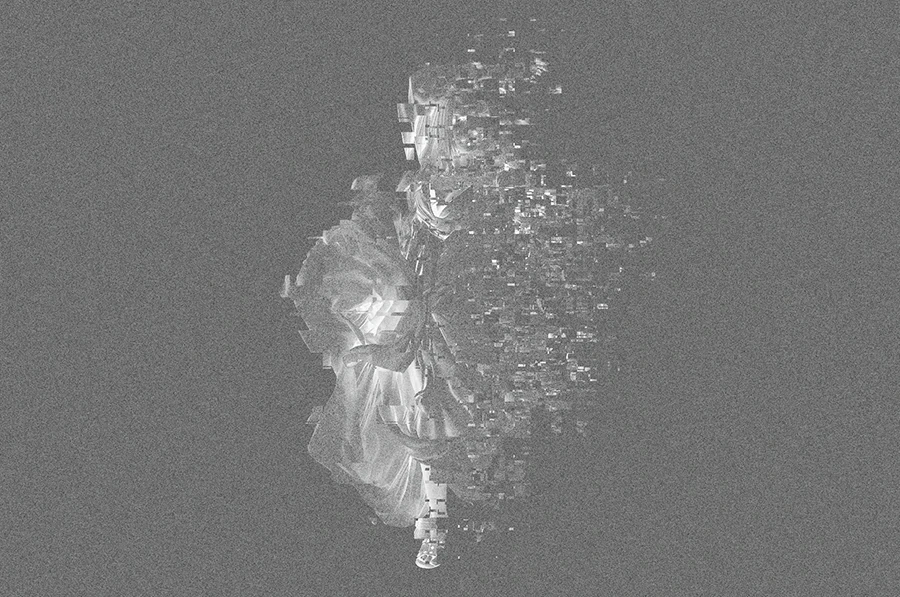
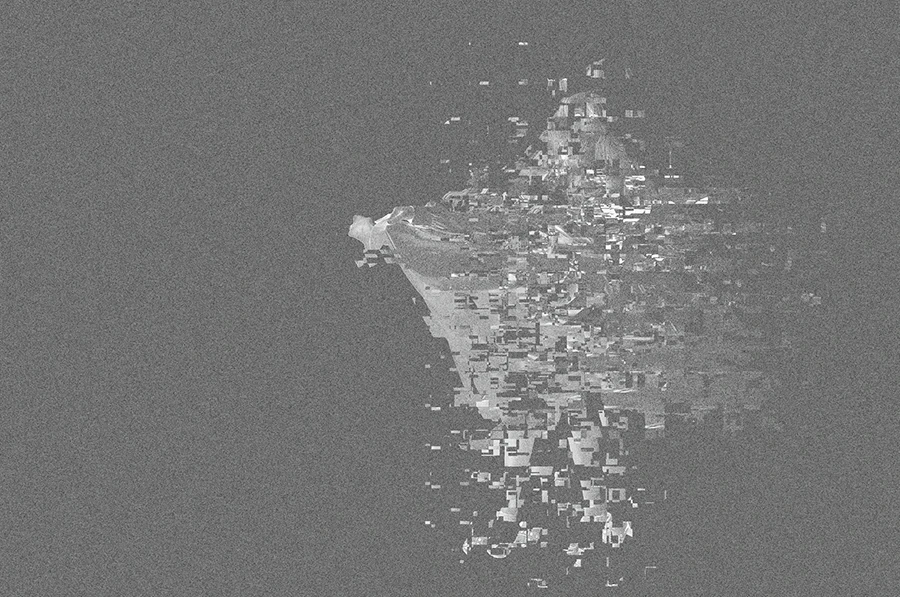
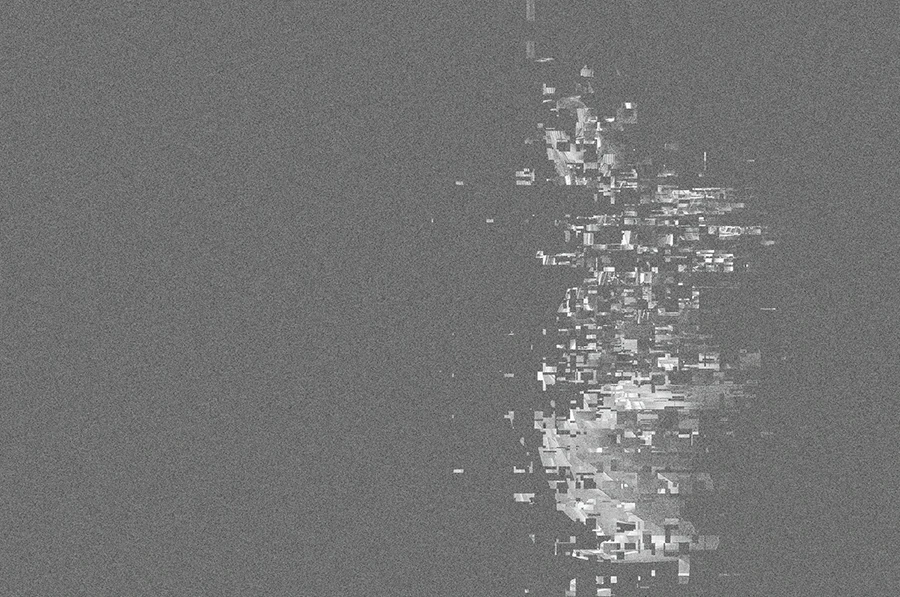
I remember them, though not by name. Names have dissolved first, long before bodies did. What remains are images—flickering impressions held somewhere between the eyes and the skin—women who once existed fully in motion. Their bodies spoke before language learned how to contain them; each turn, each suspended breath, each trembling pause carried a knowledge older than speech. They danced not to be seen, but because stillness would have killed them sooner.
The worlds they inhabited were heavy with unseen violence. Sometimes it struck openly, sometimes it settled quietly into rules, glances, customs, silences. It pressed against softness until softness learned to disappear. What was delicate was treated as excess, what was fluid as a threat. Femininity, in its most vulnerable grace, was not destroyed all at once—it was thinned out, broken into fragments, erased pixel by pixel.
I remember the warmth of their skin, or perhaps the memory of wanting to remember it. Touch was never possession; it was proof. Proof that they were still here, still breathing, still resisting disappearance. But touch was always interrupted. Before the hand could rest, the body would already be dissolving, slipping back into the dark where memory struggles to follow. Sometimes I wonder if they were ever real, or if they exist only as afterimages burned into the mind by longing and guilt.
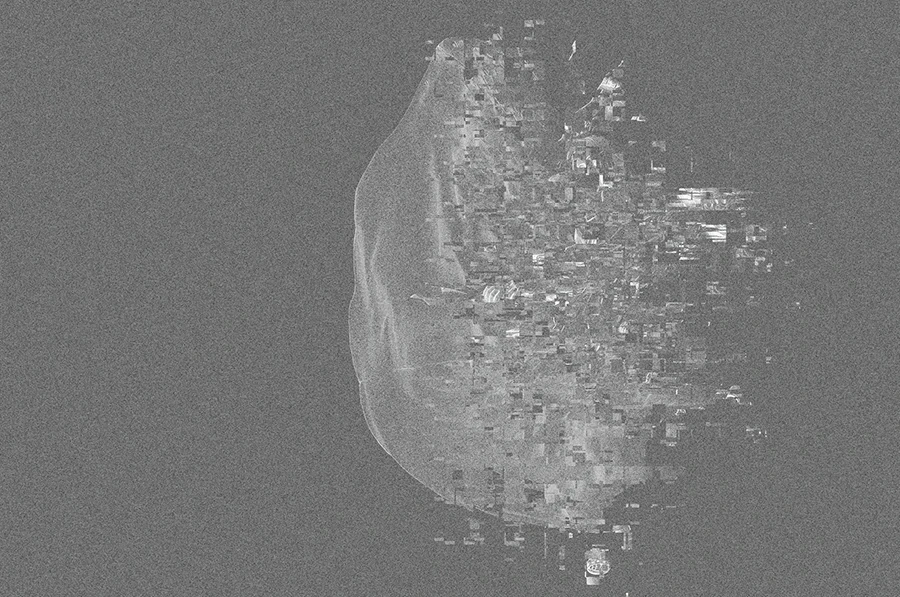
There is an old story that says women who were killed by men did not vanish, but returned to the womb of the earth. Gaia received them, not as graves, but as shelter. Some say they rose again in hidden forests, forming a world without witnesses, a life beyond the reach of those who harmed them. Others believe they never emerged at all, that they remain inside her, suspended in soil and root, waiting for a future that never arrived. I lean toward this second telling. I believe part of them is still held there, where their movements continue in darkness, where grace survives without being seen.
I can still see how they moved—sometimes fluid like water, sometimes fractured like a branch snapping under pressure. Each gesture carried pain, but also endurance. They endured until endurance itself became unbearable. Now only shadows of those dances remain, replayed endlessly in the mind, fading a little more each time they are recalled.
Perhaps these images are an attempt to hold what cannot be held. Perhaps they are not preservation, but mourning. Not portraits, but traces. A fragile resistance against forgetting. These women were never properly buried; they were erased instead, absorbed into collective amnesia. And I remain here, holding what is left—the echo of their movement, the ghost of their touch, the fading warmth of bodies that learned how to disappear before they were allowed to fully exist.
ShareHeld by the Earth, Unseen by Ebrahim Heidari
Held by the Earth, Unseen by Ebrahim Heidari
Held by the Earth, Unseen by Ebrahim Heidari
Held by the Earth, Unseen by Ebrahim Heidari
Held by the Earth, Unseen by Ebrahim Heidari
Held by the Earth, Unseen by Ebrahim Heidari
Held by the Earth, Unseen by Ebrahim Heidari
Held by the Earth, Unseen by Ebrahim Heidari
Held by the Earth, Unseen by Ebrahim Heidari
Held by the Earth, Unseen by Ebrahim Heidari
Held by the Earth, Unseen by Ebrahim Heidari
Held by the Earth, Unseen by Ebrahim Heidari
Held by the Earth, Unseen by Ebrahim Heidari
Held by the Earth, Unseen by Ebrahim Heidari
Held by the Earth, Unseen by Ebrahim Heidari
Held by the Earth, Unseen by Ebrahim Heidari
Held by the Earth, Unseen by Ebrahim Heidari
Held by the Earth, Unseen by Ebrahim Heidari
Held by the Earth, Unseen by Ebrahim Heidari