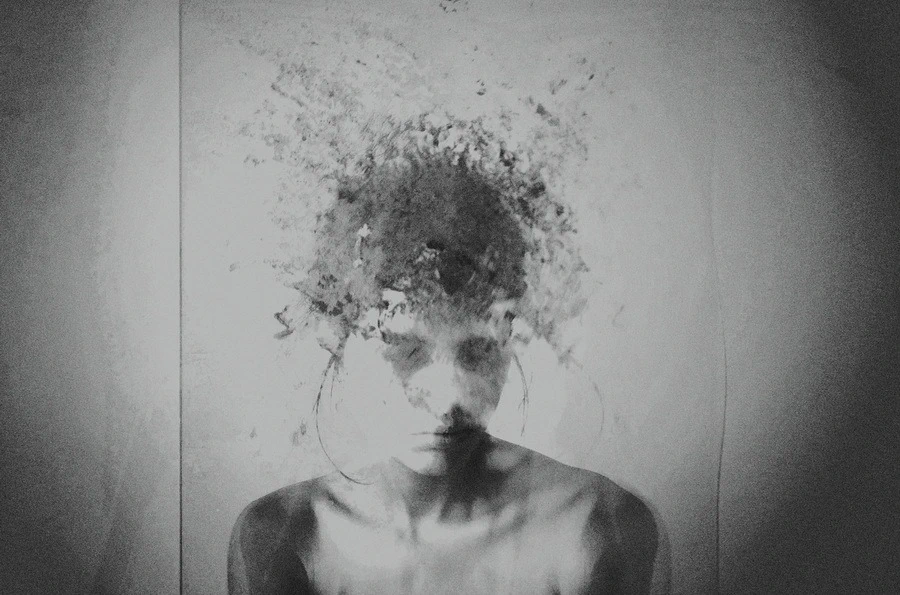
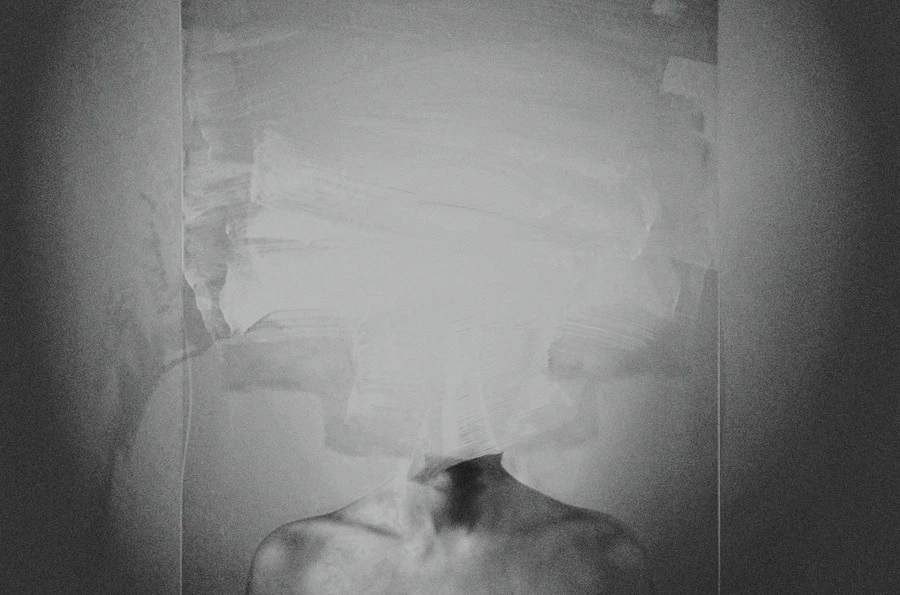
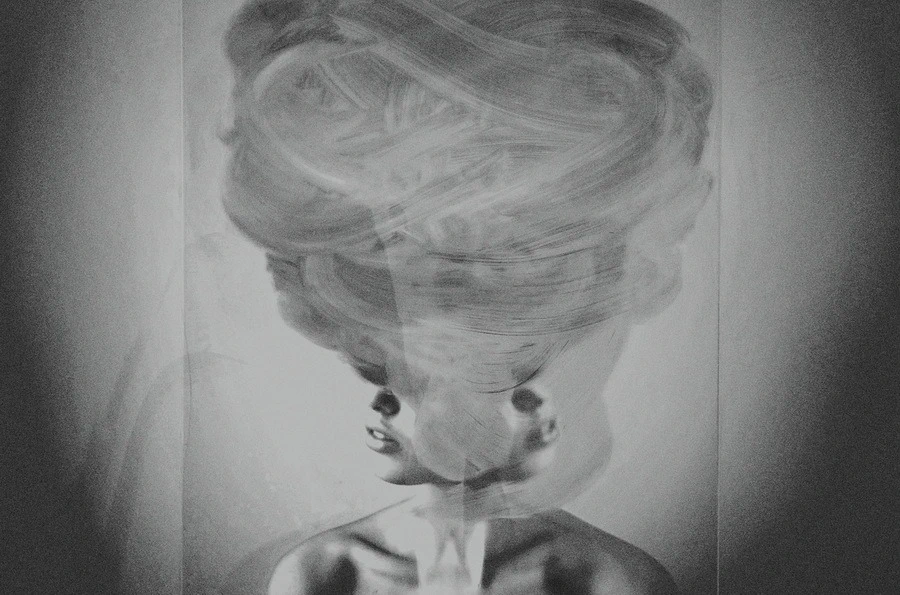
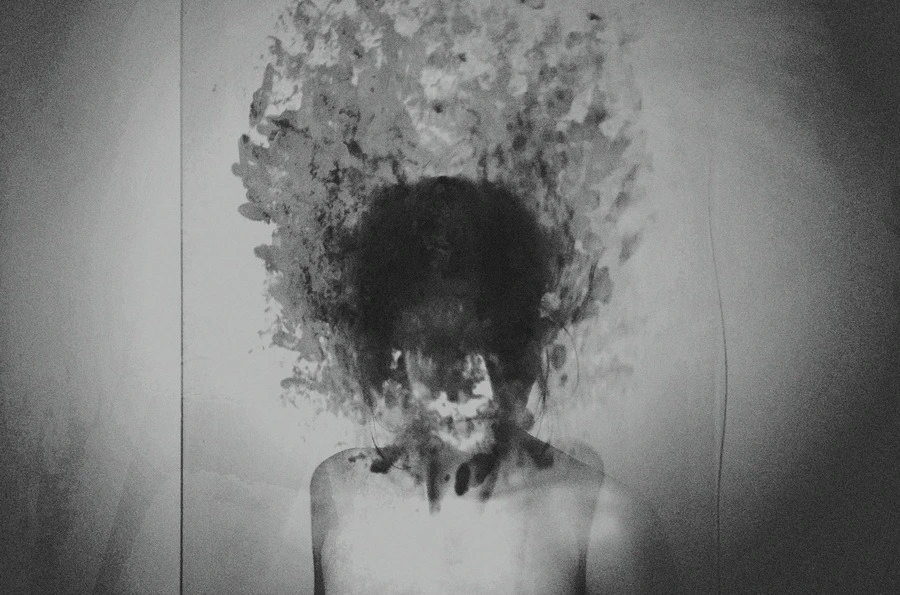
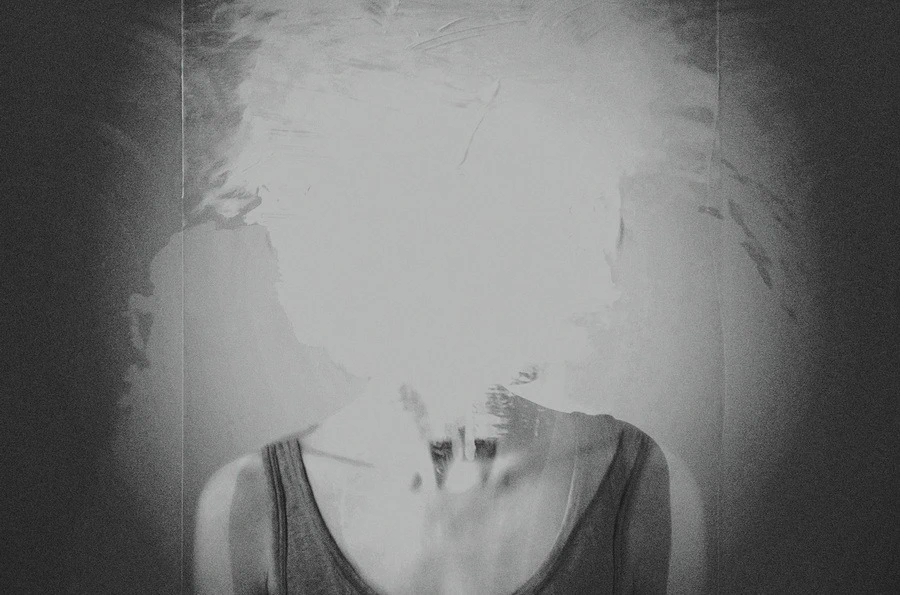
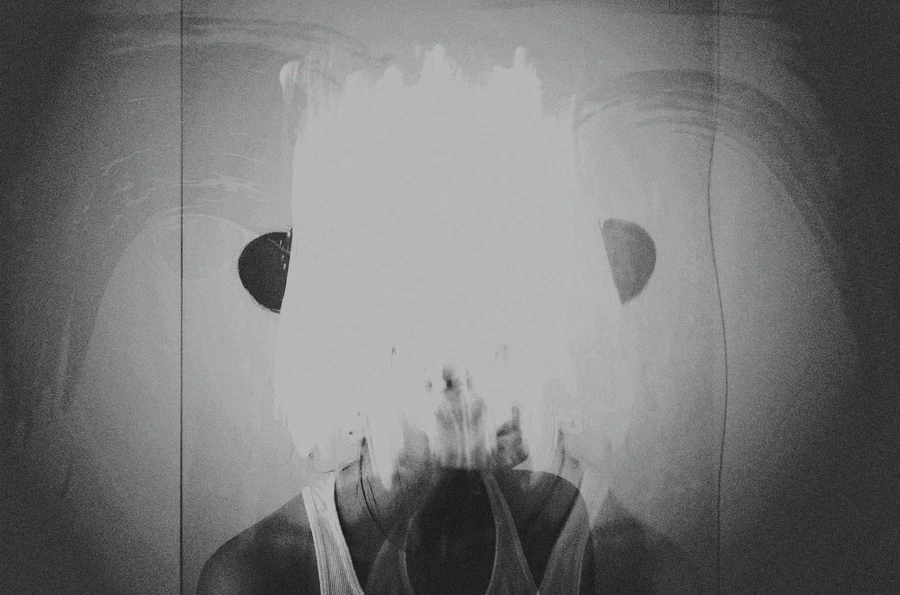
Everyone carries a story inside themselves, a voice that never truly falls silent, a narration that continues even when no words are spoken. It moves like breath, like pulse, like something learned before language existed. We are formed inside this story, assembled slowly from repetition, memory, and belief. It tells us who we are, where we belong, and how we are allowed to exist in the world. From it, we learn how to inhabit a body, how to stand, how to endure, how to recognize ourselves. But not everyone is given a complete narrative. Some enter the world already missing pages, not because they were never written, but because they were taken away long before they could be protected. Names are erased, origins distorted, histories interrupted. What remains is not clarity but sensation: a pressure carried in the chest, a tension embedded in the spine, a familiarity with loss that has no clear beginning. Identity is not an abstract idea; it is a structure rooted deep within the human soul, shaping movement, memory, desire, and survival. When identity is fractured, life continues, but coherence collapses. The body remembers what history attempts to silence, holding onto what language is no longer allowed to say. Throughout history, identity has rarely been destroyed all at once; it is more often dismantled gradually, rewritten carefully, disciplined until people begin to doubt their own reflection. Systems of oppression do not always erase—they redefine, deciding which stories are legitimate, which memories are excessive, which existences are permitted to remain visible. Continuity breaks, and the simplest question—who am I—becomes unstable, even dangerous. How does one resist a structure that first removes the mirror? How does one confront power when self-recognition itself has been taken away? In that absence, resistance begins not with action but with remembering, or with the attempt to remember. This is a voice emerging from that fracture, from the space between what was lived and what was allowed to survive. A voice that may have lost names and chronology but still knows weight, rhythm, and endurance, still understands how loss settles into flesh and alters posture. Perhaps reclaiming identity begins here, in speaking without certainty, in narrating without completion, in insisting on telling a story that trembles yet refuses to disappear. Even fragmented, even wounded, the act of telling remains an act of defiance, a refusal to let erasure have the final word.
ShareCult of Destruction by Ebrahim Heidari
Cult of Destruction by Ebrahim Heidari
Cult of Destruction by Ebrahim Heidari
Cult of Destruction by Ebrahim Heidari
Cult of Destruction by Ebrahim Heidari
Cult of Destruction by Ebrahim Heidari
Cult of Destruction by Ebrahim Heidari
Cult of Destruction by Ebrahim Heidari
Cult of Destruction by Ebrahim Heidari