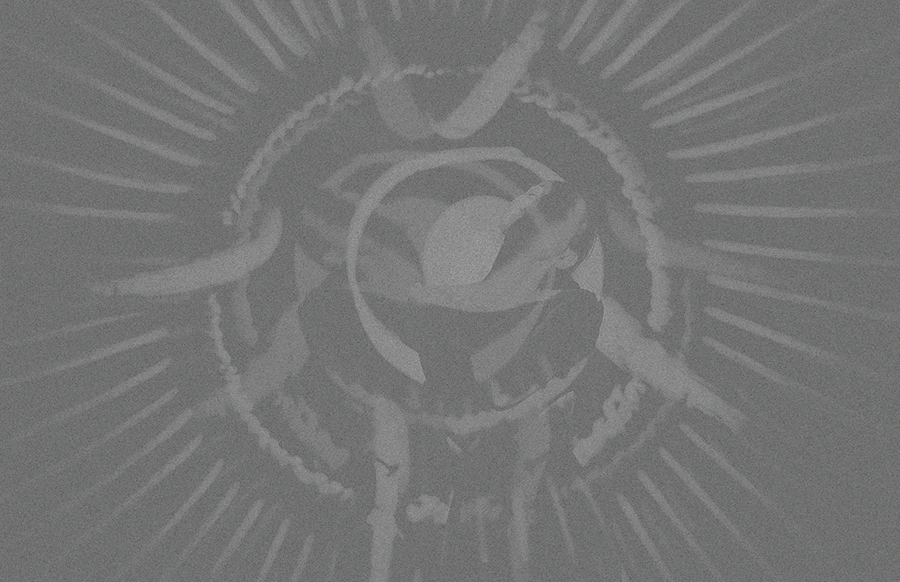
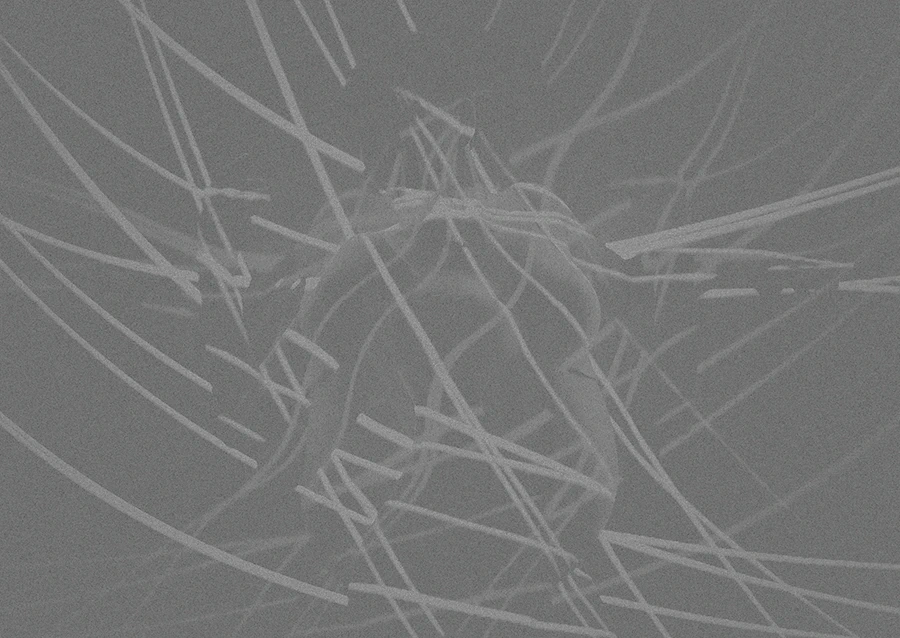
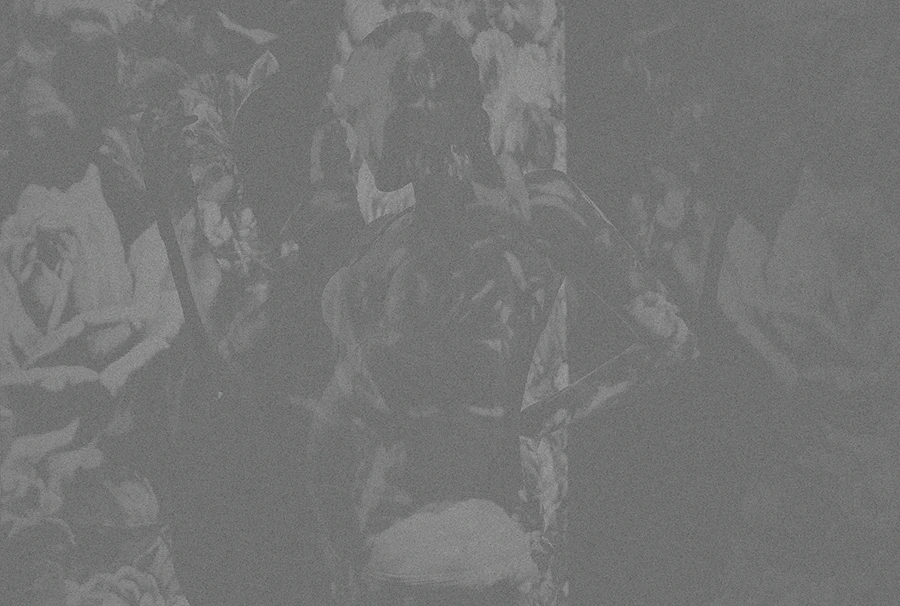
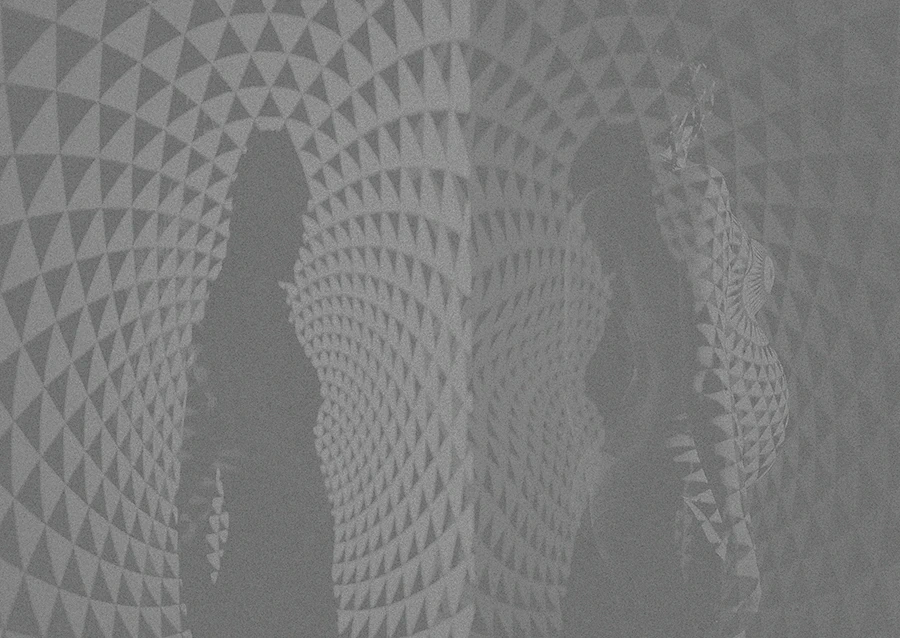
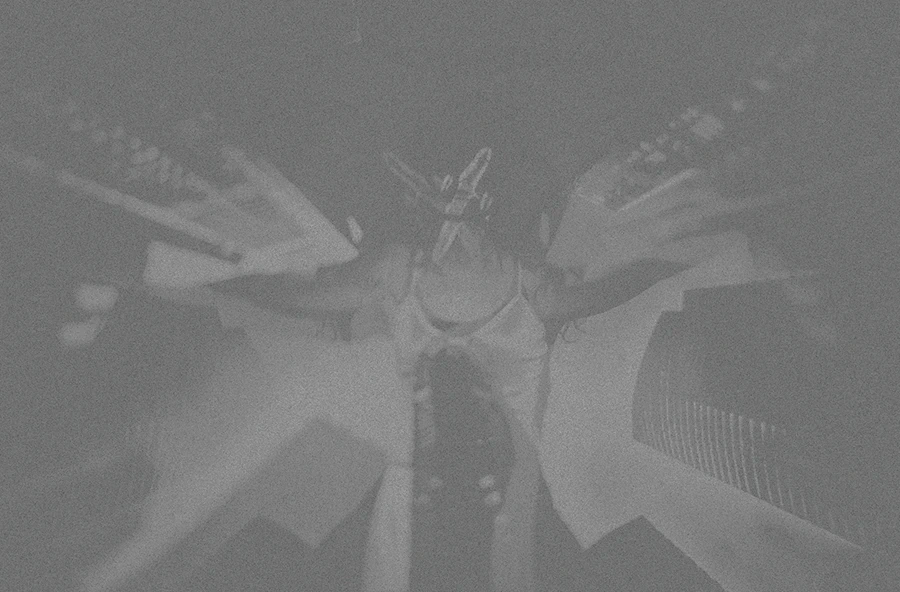
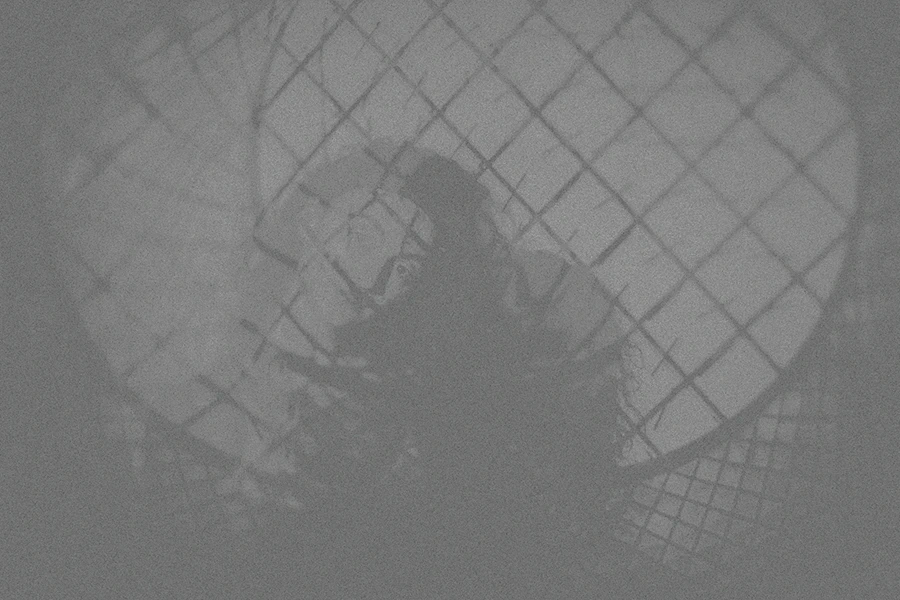
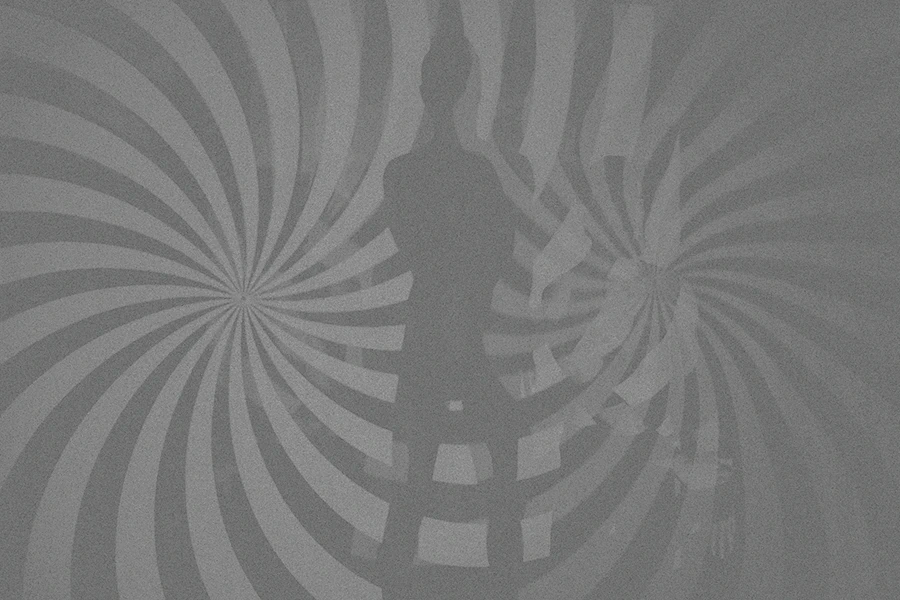
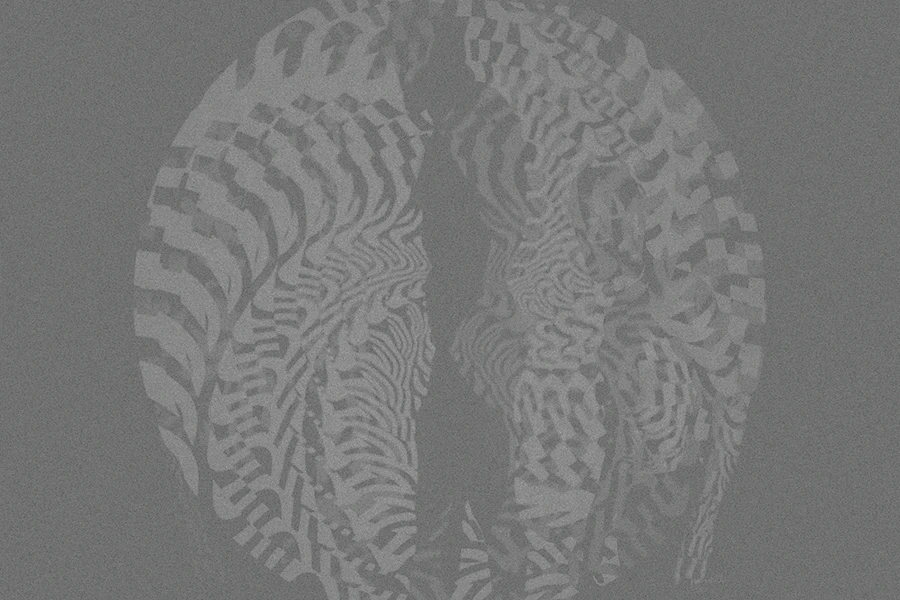
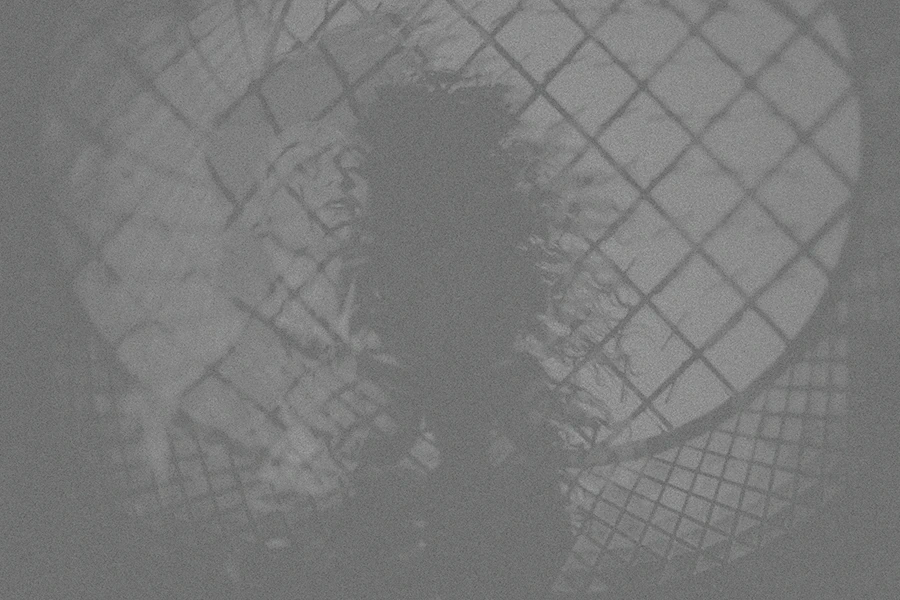
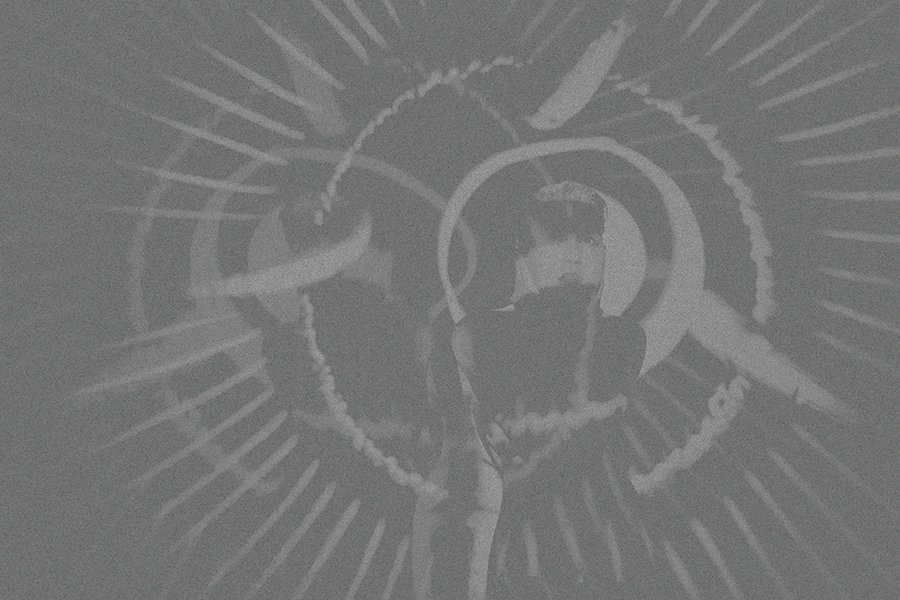
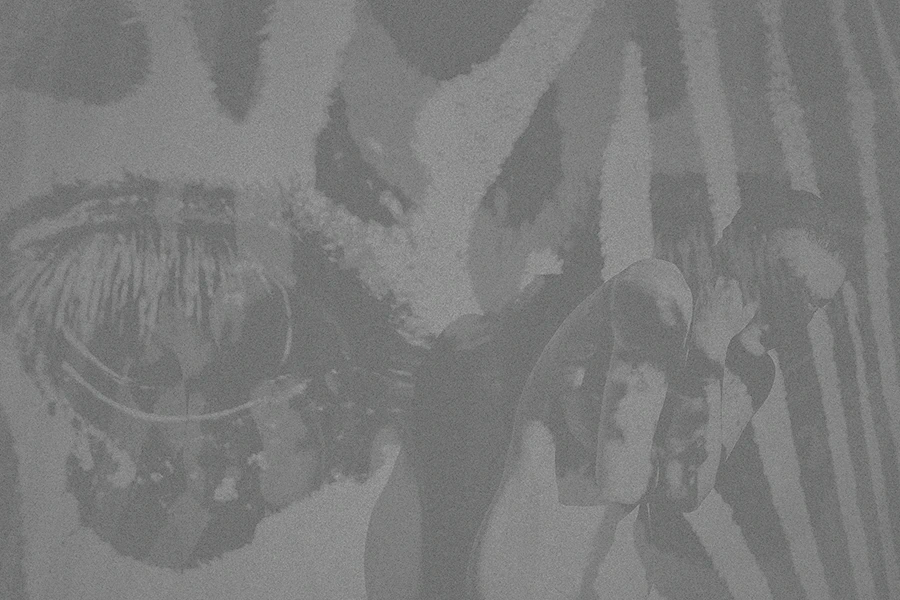
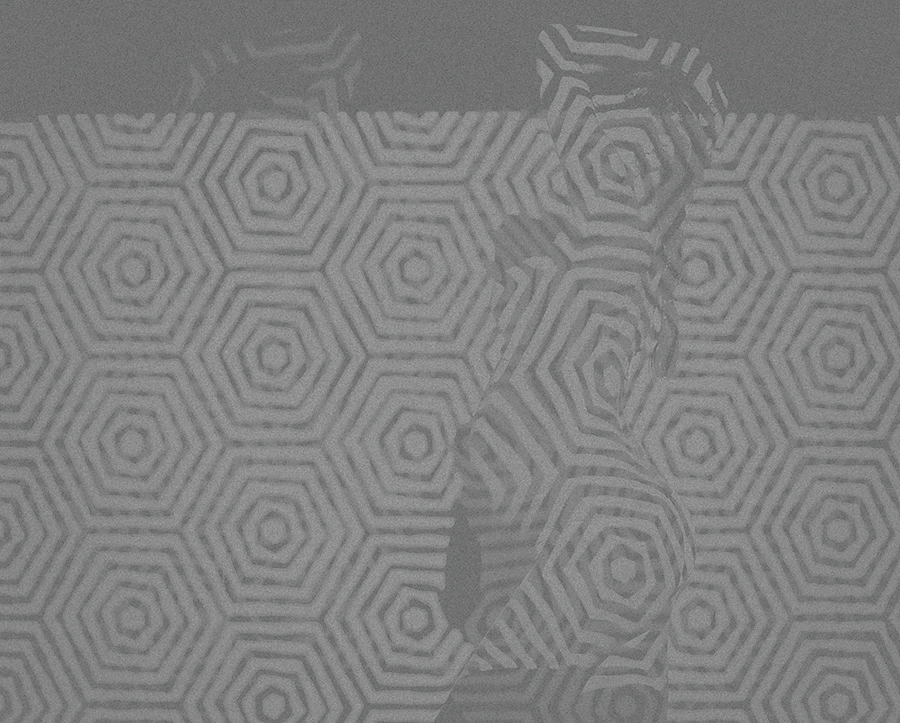
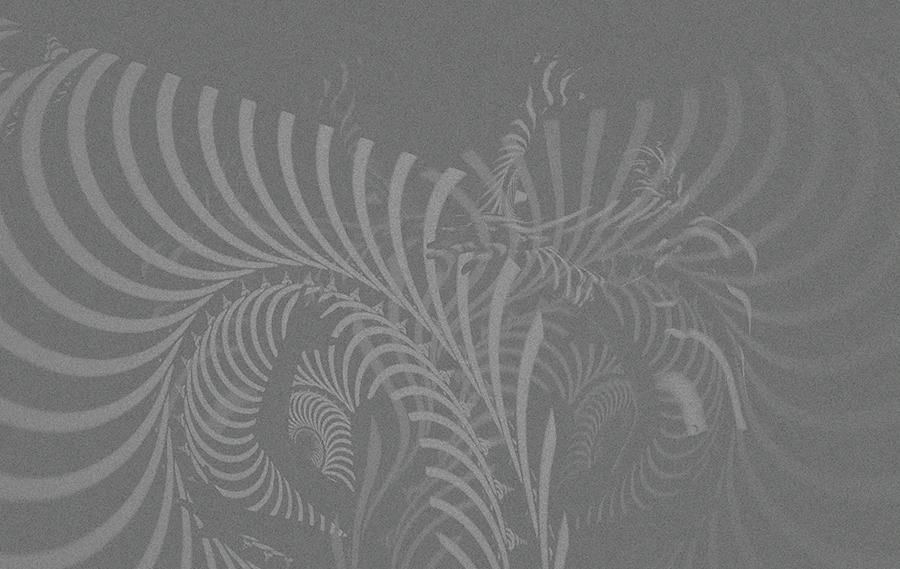
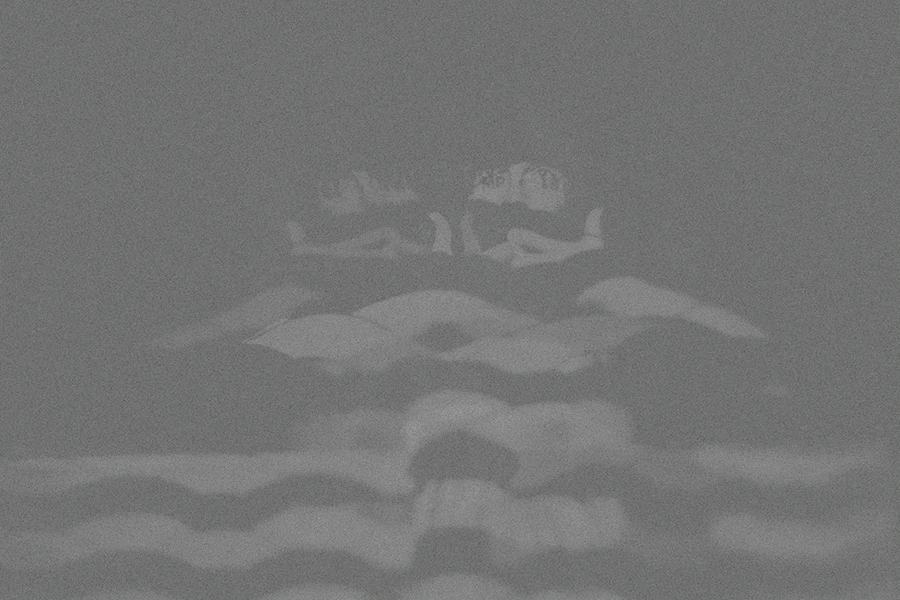
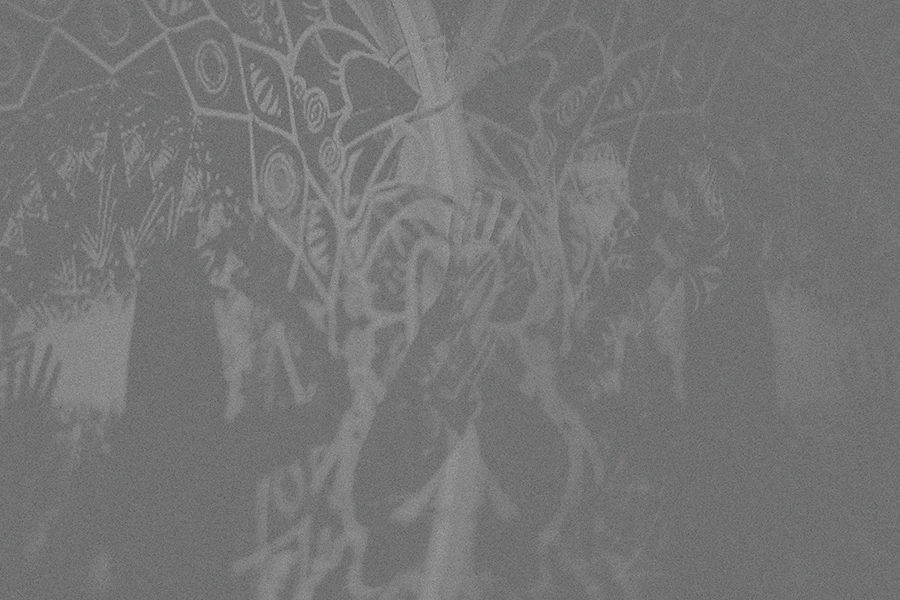
We woke up bound, not by knots we could name but by cords that tightened slowly, patiently, day after day, a restraint so constant it began to feel like air, like gravity, like something the body was expected to obey. The ropes did not cut at first; they educated the flesh, teaching it to breathe more shallowly, to move less, to take up less space, to become less itself. But before that, before the binding learned our contours, **the body still remembered**. It remembered how skin answers touch, how warmth slides beneath it and spreads, how a curve is never just a form but an invitation. It remembered the pause of a gaze on the body, the pleasurable gravity of being seen, the quiet confidence of being desirable without explanation. Femininity was not a role then; it was circulation, breath quickening, blood accelerating, a body allowed to want and not be ashamed of being wanted. The body knew beauty as a right, not a permission. It could surrender to its own rhythm, bend where it wished, move because movement felt true.
Then came the names, the roles, the shoulds, the schemas pulled tight around us, saying this restraint is safer, this posture is acceptable. We kept the shape because we wanted to remain. We reduced movement because movement was costly. We held the body still because a released body was dangerous.
**We gave up life in order to survive.**
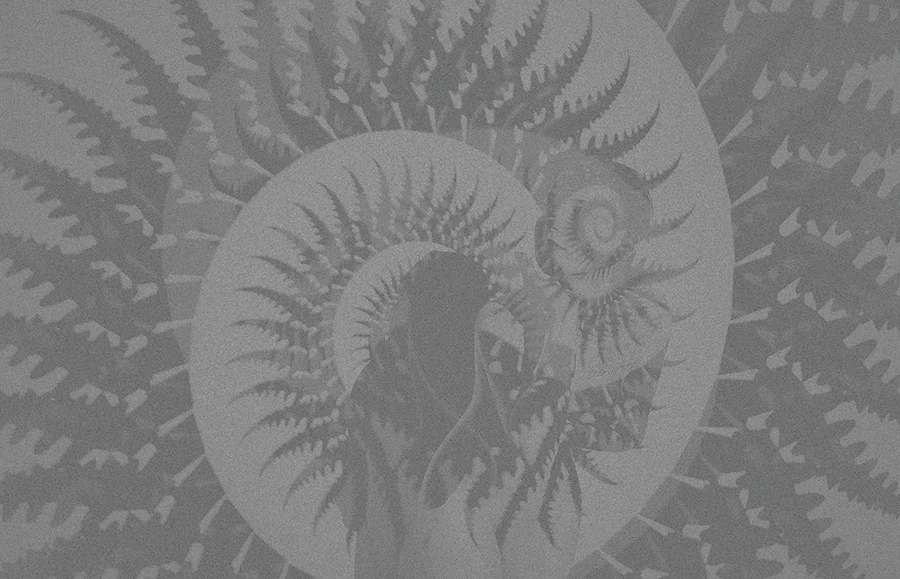
After that, the binding no longer needed hands; it lived inside the body. Flesh learned its limits, blood slowed, and the body understood that any sudden motion would tear it apart. So it stayed still. Not with resistance, but with discipline. What remained resembled us—the curve of a fish, the outline of a woman—but it was no longer made of warmth or desire. Life was gradually drained, replaced by rigidity, until only a hardened trace endured.
Now we persist in the image, not as subjects but as layers. Someone passes by and says this pattern has always been here, without knowing that once the body wanted, shimmered, responded. A fossil is not the memory of life; it is what replaces life when life becomes too dangerous.
We were not pushed into the background; we were bound into the very image that could not stand without us. Our presence was required; our vitality was not. Our stillness proved more useful than our voice. And now we can be pointed at, but not listened to; seen, but not touched.
If we still resemble women, if we still resemble fish, it is because restraint never destroys form; it only empties it. And here we are, neither alive nor dead, petrified from living.
ShareBound into Silence by Ebrahim Heidari
Bound into Silence by Ebrahim Heidari
Bound into Silence by Ebrahim Heidari
Bound into Silence by Ebrahim Heidari
Bound into Silence by Ebrahim Heidari
Bound into Silence by Ebrahim Heidari
Bound into Silence by Ebrahim Heidari
Bound into Silence by Ebrahim Heidari
Bound into Silence by Ebrahim Heidari
Bound into Silence by Ebrahim Heidari
Bound into Silence by Ebrahim Heidari
Bound into Silence by Ebrahim Heidari
Bound into Silence by Ebrahim Heidari
Bound into Silence by Ebrahim Heidari
Bound into Silence by Ebrahim Heidari
Bound into Silence by Ebrahim Heidari
Bound into Silence by Ebrahim Heidari